

News · 2026-05-25
Silicon Carbide Rod SiC Rods: Buyer Selection Guide for Industrial Furnaces
Technical Video
Silicon Carbide Heating Elements: How to Choose SiC Rods
A short buyer guide explaining how to choose SiC rods and silicon carbide heating elements by furnace layout, shape, dimensions, replacement data and RFQ parameters.
Watch on YouTubeSilicon carbide rods, also called SiC rods, silicon carbide rod heaters or silicon carbide heating rods, are used as high-temperature electric heating elements in industrial furnaces and kilns. For overseas buyers, the important task is not only finding a product name, but matching the rod shape, dimensions and electrical data to the real furnace layout.
This updated guide is written for furnace builders, kiln operators, maintenance teams and procurement engineers who need practical selection points before sending an RFQ.
Where silicon carbide rods are used
SiC rods are used in tunnel kilns, roller kilns, glass furnaces, heat treatment furnaces, laboratory furnaces and other high-temperature electric heating equipment. They are selected when the furnace needs higher temperature capability than many metallic resistance heaters can provide.
For a full specification overview, start with the silicon carbide heating elements manufacturer page. Buyers comparing product shapes can review the SiC Heating Elements category before choosing the closest replacement type.
Choose the rod shape before comparing dimensions
Search results for silicon carbide rods often mix product pages, technical PDFs and buyer guides. The useful pages usually explain element types, dimensions, resistance, installation accessories, FAQ and quote requirements. For procurement work, shape selection comes first.
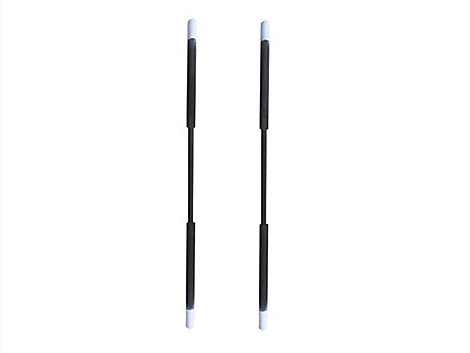
- DB type silicon carbide heating elements are a common starting point for straight rod replacement where the cold ends and hot zone have different diameters.
- ED type SiC heating elements are useful when a furnace or kiln uses equal-diameter straight rods.
- U, W, SG and SGR types may be needed when the furnace chamber, wiring side or resistance requirement does not fit a straight rod layout.
Key dimensions for SiC rod replacement
A silicon carbide rod can have the correct overall length and still be unsuitable if the hot zone sits inside the insulation wall or the cold end does not reach the terminal area. Check the full dimensional set before ordering:
- Outside diameter and usable hot zone length.
- Cold end length and overall length.
- Furnace wall thickness, terminal clearance and element spacing.
- Leg spacing for U or W type elements when applicable.
- Old element photos or drawings showing the installed position.
| RFQ item | Why it matters |
|---|---|
| OD, hot zone and cold end length | These dimensions decide whether the SiC rod heats the chamber correctly and reaches the terminal area safely. |
| Resistance, voltage and power | Electrical data helps review group matching and whether the replacement rod fits the existing control system. |
| Furnace atmosphere and temperature | Air, nitrogen, hydrogen, vacuum or reactive atmospheres can change the suitable service condition and surface loading. |
| Quantity, drawings and old photos | These details help confirm the rod type, terminal structure, accessories and whether custom dimensions are required. |
Resistance, voltage and furnace atmosphere
SiC heating elements age during service, and resistance matching matters when rods are installed in groups. For replacement projects, prepare resistance, voltage, power and current readings if available. The furnace atmosphere should also be shared because air, nitrogen, hydrogen, vacuum or reactive process conditions can affect suitable service temperature and surface loading.
If the application is a custom furnace, compare the custom furnace heating elements guide and include drawings, quantity and operating details in the RFQ.
Price factors buyers should clarify before asking for a quote
Searches for silicon carbide rod price or silicon carbide rod heater price are usually replacement or procurement tasks. A useful quotation cannot be based on the product name alone because two SiC rods with the same name may use different hot-zone length, cold-end structure, resistance value, accessories and packing requirements.
When comparing suppliers, ask whether the quote is based on the same element shape, dimensions, resistance and accessory set. For replacement work, send the old rod photo and drawing first; for a new furnace, send the furnace layout, target temperature, atmosphere, voltage, power and quantity.
What a useful silicon carbide rod supplier page should show
Many search results for silicon carbide rods are product pages, catalog pages or short buying guides. For a real furnace RFQ, the most useful pages make the purchase path clear instead of only repeating the material name.
| Page element | Why it helps overseas buyers | What to check before inquiry |
|---|---|---|
| Product shapes and furnace use | Separates straight rods from U, W, SG and SGR layouts. | Match the installed element shape and terminal side. |
| Dimension and electrical terms | Shows OD, hot zone, cold end, overall length, resistance, voltage and power. | Send the same units and values when comparing quotes. |
| Atmosphere and surface load notes | Explains why the same SiC rod may perform differently in air, nitrogen, hydrogen or vacuum. | Share furnace temperature, atmosphere and duty cycle. |
| Related products and accessories | Helps buyers include clamps, straps or conductive connection tape when replacement scope is larger than the rod. | Check terminal photos and connection hardware before ordering. |
| RFQ checklist and contact route | Turns product research into a complete specification review. | Attach drawings, old rod photos and quantity requirements. |
RFQ checklist for silicon carbide rods
- Furnace type, application, working temperature and atmosphere.
- Element shape: DB, ED, U, W, SG, SGR or uncertain replacement type.
- Diameter, hot zone length, cold end length, overall length and terminal space.
- Resistance, voltage, power, current and wiring group when available.
- Quantity, old element photos, drawings and installation photos.
- Accessory needs such as clamps, straps or conductive connection tape.
Related Products
SiC Heating Elements
SiC Heating Elements
Compare straight, U, W, SG and SGR silicon carbide heating element shapes for industrial furnaces and kilns.
View category
Straight SiC Rod
DB Type Silicon Carbide Heating Elements
A relevant starting page for straight rod replacement where hot-zone and cold-end dimensions need review.
View details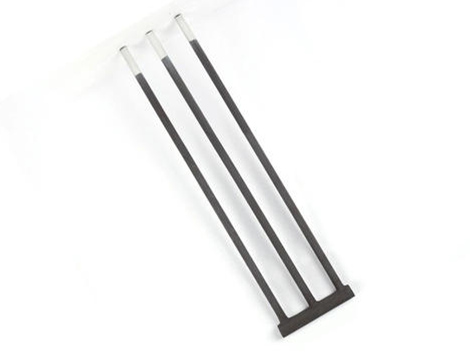
W Type SiC Rod Heater
W Type Silicon Carbide Rod Heaters
Review this page when the furnace layout needs a W type SiC rod heater rather than a straight replacement rod.
View detailsFAQ
Are silicon carbide rods the same as SiC heating elements?
In furnace purchasing, silicon carbide rods, SiC rods, silicon carbide rod heaters and silicon carbide heating elements often describe the same non-metal electric heating component, but the exact shape and dimensions still need confirmation.
What dimensions should be checked before ordering silicon carbide rods?
Check outside diameter, hot zone length, cold end length, overall length, terminal space and furnace wall thickness. The hot zone must match the heated chamber, not only the total rod length.
What affects silicon carbide rod price?
Price depends on rod type, diameter, hot zone length, cold end length, resistance requirement, quantity, accessories and whether drawings or custom dimensions are needed. Send the technical data first instead of only asking for a unit price.
How can buyers compare silicon carbide rod supplier pages before sending an RFQ?
A useful supplier page should show product shapes, dimension terms, electrical data, furnace atmosphere notes, installation accessories, FAQ and a clear RFQ route. If these details are missing, send drawings or old element photos before comparing prices.
What should be included in an RFQ for SiC rods?
Include furnace type, working temperature, atmosphere, element shape, diameter, hot zone length, cold end length, resistance, voltage, power, quantity, drawings and old element photos when available.
For a specification review, send your checklist through the RFQ form, visit the Contact Us page or email info@hnlasting.com. Drawings and old rod photos help confirm the correct SiC rod type before quotation.