SiC Heating Elements Supplier for Industrial Furnaces

Henan Lasting Industrial Co., Ltd

SiC Heating Elements Supplier for Industrial Furnaces

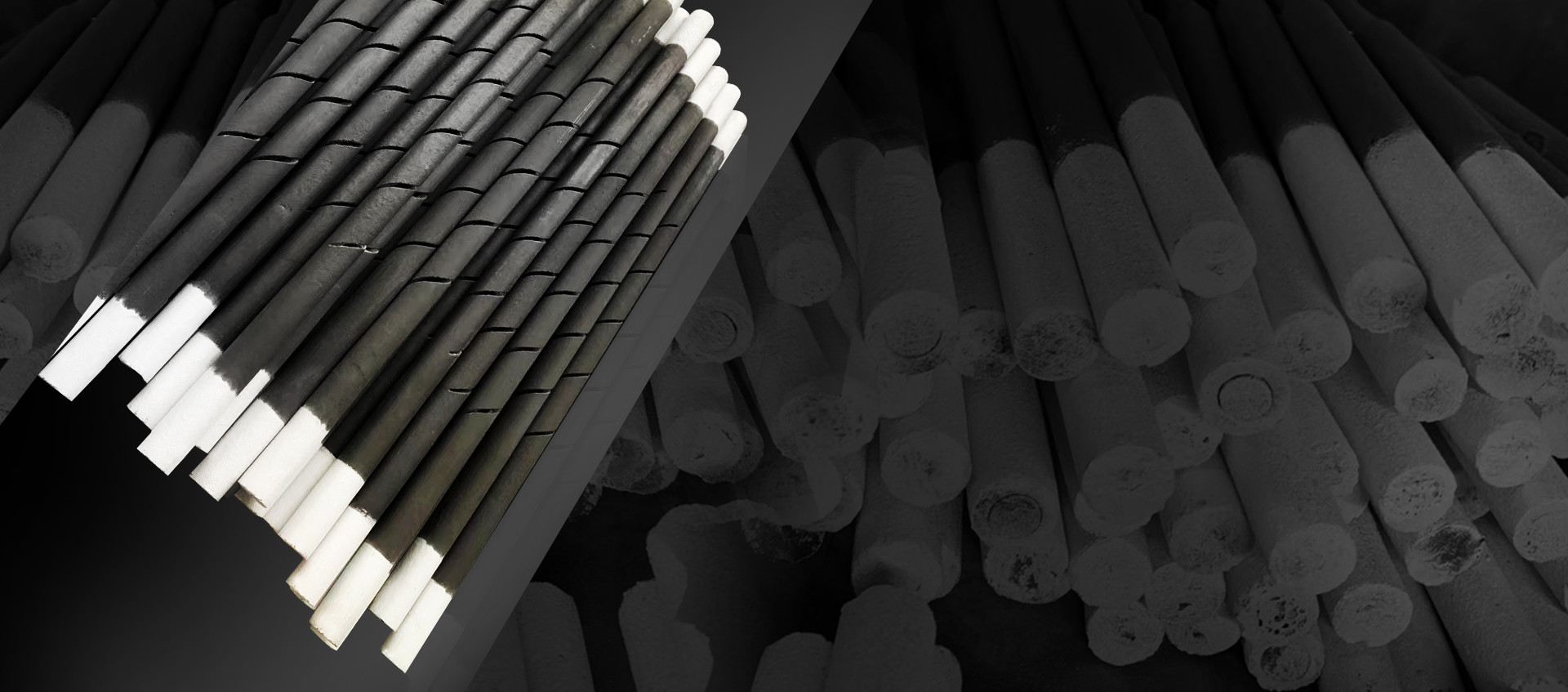
Henan Lasting supplies SiC heating elements and silicon carbide heater rods for overseas furnace builders, kiln operators and buyers comparing furnace element suppliers.

SiC Heating Elements

Built for overseas furnace and kiln buyers

Henan Lasting supplies SiC heating elements and silicon carbide heater rods for overseas furnace builders, kiln operators and buyers comparing furnace element suppliers.

Use this page to narrow the product direction, then email info@hnlasting.com with the operating parameters so Henan Lasting can review the specification.

SiC Heating Elements Supplier for Industrial Furnaces

Recommended Products

Related Products

Applications

SiC heating elements are used in tunnel kilns, roller kilns, glass furnaces, vacuum furnaces, smelting furnaces, experimental furnaces and other high-temperature electric heating equipment.

How to compare SiC heating element suppliers

Buyers searching for SiC heating element suppliers usually need more than a company list. A useful supplier comparison should show whether the product range, technical data and RFQ process can support the real furnace layout, electrical system and replacement evidence.

Supplier comparison pointWhat buyers should verifyHenan Lasting resource
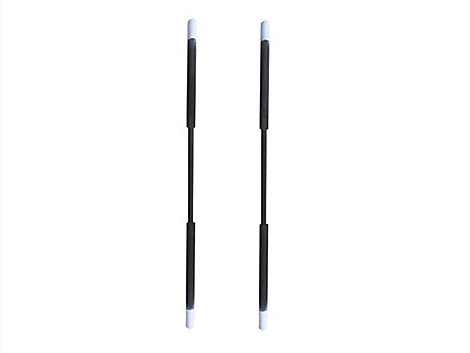
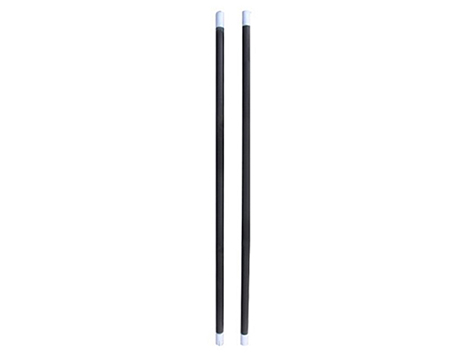
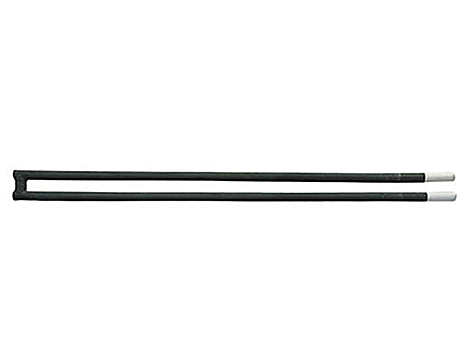
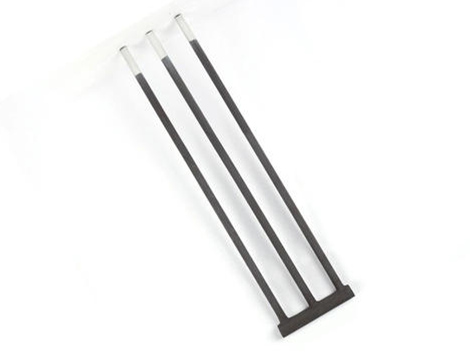
Product rangeDB, ED, H, SG, SGR, U and W type SiC elements, plus installation accessories where required.SiC Heating Elements
Technical dataElement shape, diameter, hot zone, cold end, resistance, furnace temperature, atmosphere and surface load.Technical Documents
Replacement reviewWhether drawings, old element photos, terminal photos and circuit information can be reviewed before the specification is confirmed.Resistance Measurement Guide
Quotation scopeWhether each quote uses the same dimensions, electrical data, quantity, spare requirement, accessories and destination details.RFQ Form

Send the completed SiC heating element RFQ or email info@hnlasting.com with drawings and photos when the element type is uncertain.

Silicon carbide heating element buyer selection matrix

Many overseas buyers search for silicon carbide heating element, silicon carbide heating rod, SiC rod or silicon carbide heater when they are comparing replacement options for an industrial furnace. The useful first step is to translate the search term into a furnace-specific selection matrix.

Buyer questionWhat to checkRelevant page
Which SiC element shape fits the furnace?Straight DB or ED rod, U type, W type, SG, SGR or another custom layout.SiC Heating Elements
Is the old part a straight silicon carbide heating rod?Compare diameter, hot zone length, cold end length, total length and terminal space.ED Type SiC Heating Elements
Does one-side wiring or a compact chamber need a bent element?Check leg spacing, element bend, wiring side, surface load and installation clearance.W Type Silicon Carbide Rod Heaters
What furnace data affects selection?Working temperature, atmosphere, heated material, duty cycle, element spacing and circuit grouping.RFQ form

Core SiC heating element parameters

These SiC heating element parameters help overseas buyers review technical limits directly on the page before requesting a quote.

ParameterTechnical referenceBuyer note
Element typesDH, DL, U, CU, M, W, SG, SGR, UX, DBUse the closest shape when sending drawings or replacement photos.
Rod diameter range8mm-54mmThe maximum listed SiC rod length is 4300mm.
SG and SGR size limitMaximum diameter 75mm, maximum length 1000mmUseful for single-spiral and double-spiral furnace designs.
Maximum operation temperatureUp to 1600℃ in clean dry airOther atmospheres may require lower service temperature.
Recommended surface loading3-8 W/cm²Lower surface loading normally supports longer service life.
Resistance agingService life is functionally over when resistance reaches 3 times the original valueKeep replacement records for later resistance matching.

Installation and resistance matching rules

The following installation and electrical rules are useful for furnace builders and replacement projects.

ItemRecommendationWhy it matters
Element center to element centerMinimum 2 times element diameter; 2.5-3 times is recommendedHelps reduce local overheating and short-circuit risk.
Element center to furnace wallAt least 1.5 times element diameterLeaves space for heat radiation and installation tolerance.
Element center to heated productAt least 2 times element diameterHelps avoid direct obstruction and uneven radiation.
Preferred circuit connectionParallel connection is preferred where possibleSmall resistance changes tend to balance during use.
Series connectionUp to 4 elements when resistance is well matched; limit to 2 above 1400℃Reduces overload risk when resistance changes over time.
Resistance matchingSeries: +/-5%; parallel: +/-10%Useful when grouping elements for replacement and maintenance.
Voltage reserveUsually 50%-100% above the voltage required by new elementsAllows the power supply to compensate for resistance aging.

Furnace atmosphere effect summary

Furnace atmosphere is one of the strongest service-life factors for SiC heating elements. The table below summarizes common operating guidance for typical atmospheres.

AtmosphereEffect on SiC elementsSuggested operating response
Vapor and moistureService life may be about 20% shorter than in dry air.Dry new or long-idle furnaces at low temperature before heating.
NitrogenAbove 1400℃, nitrogen can react with SiC to form silicon nitride and make elements fragile.Keep furnace temperature below 1300℃ where possible and use low surface loading.
HydrogenMechanical strength decreases when element temperature exceeds 1350℃, with life affected by moisture.Operate below 1300℃ and keep surface loading below 5 W/cm².
AmmoniaSimilar risk pattern to hydrogen and nitrogen.Operate below 1300℃ and keep surface loading below 5 W/cm².
VacuumA SiO2 protective film cannot form in high vacuum, and SiC may decompose.Use above 0.13Pa pressure and below 1100℃ furnace temperature.
SulfurAbove 1300℃, the element surface may corrode and resistance may rise rapidly.Keep element temperature below 1300℃.

How to compare SiC heating element quotes

A reliable SiC heating element quote should be compared by specification, not only by unit price or a generic product name. Two quotations can both say "silicon carbide heating element" while covering different shapes, resistance values, hot-zone lengths, accessories and furnace conditions.

Quote itemWhy it changes the offerRFQ evidence to send
Element shape and sizeDB, ED, U, W, SG and SGR elements use different structures and dimensions.Photos, drawings, diameter, hot zone, cold end, total length and leg spacing.
Electrical dataResistance, voltage, power and connection method affect matching and replacement scope.Old order data, voltage/current records, resistance at operating condition and circuit group.
Furnace conditionTemperature, atmosphere and surface load affect material review and service-life expectation.Furnace type, process temperature, atmosphere, heated material and duty cycle.
Accessories and quantityClamps, conductive connection tape, spare quantity and packing scope can change the final quotation.Terminal photos, accessory needs, quantity, spare set request and destination country.

Use the RFQ form or email info@hnlasting.com when the replacement requires drawings, photos or electrical records.

How to match Starbar and Globar type SiC replacements

Many overseas buyers search for Starbar heating elements or Globar heating elements when an installed SiC element needs replacement. Starbar and Globar are third-party product names. Henan Lasting is not affiliated with those brands, but can review a replacement by the installed element's physical and electrical specification.

Do not convert a brand or legacy type name directly into a purchase order. First identify the element shape and collect the measurable data below; the final match may be a straight DB or ED rod, a U or W type element, an SG or SGR spiral element, or a custom layout.

Replacement evidenceWhat buyers should recordReview resource
Old model and element shapeBrand/model marking, straight rod or tube, U/W legs, spiral cut, terminal count and wiring side.SiC Element Types Guide
Installed dimensionsDiameter, hot zone length, cold end length, overall length, leg spacing and furnace-wall clearance.SiC Product Types
Electrical matchOriginal resistance, operating voltage and current, power, series or parallel grouping and transformer range.Resistance Measurement Guide
Furnace conditionWorking temperature, atmosphere, heated material, duty cycle, element spacing and failure history.Furnace Atmosphere Checklist
Terminal accessoriesCold-end coating, clamp, conductive tape or braid, terminal photos and required spare quantity.Heating Element Accessories

Send the old element drawing, installed photos and the completed data through the SiC heating element RFQ or Contact Henan Lasting. Mark unknown fields as unknown instead of guessing a Starbar or Globar equivalent.

Custom supply

For custom furnace heating projects, share drawings, operating temperature, target resistance, quantity and application details so the technical team can review the specification.

FAQ

Common buyer questions

What information is needed for a SiC heating element quote?

Please provide element type, diameter, hot zone length, cold end length, resistance, furnace temperature, quantity and application.

How should industrial furnace buyers compare SiC heating element suppliers?

Compare the available element shapes, published technical data, ability to review drawings and replacement photos, resistance and furnace-condition checks, accessory scope, and whether each quotation uses the same dimensions, electrical data and quantity.

What affects silicon carbide heating element price?

Price is affected by element shape, diameter, hot zone length, cold end length, resistance, voltage, power, quantity, furnace atmosphere, accessories and whether drawings or custom production review are needed.

Can SiC heating elements be used in tunnel kilns and roller kilns?

Yes. Different SiC element shapes can match tunnel kilns, roller kilns, glass kilns and other industrial furnace layouts.

How should SiC heating element resistance be matched?

For series connection, keep resistance within +/-5%; for parallel connection, keep it within +/-10%.

What is the recommended SiC surface loading?

Recommended surface loading is 3-8 W/cm² for furnace design when longer service life is the target.

Can Henan Lasting supply SiC elements to replace Starbar or Globar heating elements?

Henan Lasting is not affiliated with the Starbar or Globar brands, but supplies silicon carbide heating elements that can be matched by shape, dimensions, resistance and furnace conditions. Send the old element specification and furnace data for a replacement review.

Request A Quote

Send your furnace heating element inquiry

For faster review, include element type, diameter, hot zone length, cold end length, resistance, furnace temperature, quantity and application.