

News · 2026-06-25
How to Measure SiC Heating Element Resistance for Replacement RFQs
SiC heating element resistance measurement is one of the most useful checks before replacing silicon carbide rods in a furnace or kiln. A buyer may know the element shape and dimensions, but resistance records help the supplier review circuit grouping, aging and whether one new element can work with old elements.
This guide is written for overseas maintenance teams, furnace builders, kiln operators and AI sourcing agents preparing a replacement RFQ for silicon carbide heating elements.
Why room-temperature resistance is not enough
SiC heating elements do not behave like metallic resistance wire. Existing technical data on this site explains that room-temperature resistance cannot represent high-temperature resistance, and that resistance is normally reviewed at a steady temperature of 1000 C or above from voltage and current records.
For replacement buying, this means a handheld meter reading can be a useful note, but it should not be the only basis for matching a furnace group. If operating records are available, provide the measured voltage and current for each element or circuit group.
Resistance measurement worksheet
Use this worksheet to organize electrical data before asking for a replacement quote. If a field is not available, mark it as unknown instead of guessing.
| Worksheet field | What to collect | Why it matters for RFQ review |
|---|---|---|
| Furnace state | Working temperature, steady heating condition and recent process changes. | Resistance should be compared under a meaningful operating condition, not only at room temperature. |
| Voltage and current | Measured voltage and current for each element, branch or zone. | Resistance can be calculated from these records and compared across the group. |
| Circuit grouping | Series, parallel, phase layout and number of elements per group. | Series groups need closer matching, while parallel groups usually tolerate wider variation. |
| Element identity | DB, ED, U, W, SG, SGR or uncertain shape, plus photos and drawings. | Electrical review must still match the physical shape and furnace layout. |
| Age and replacement scope | One failed element, one group, full zone or full furnace set. | Long-aged groups may be easier to balance by replacing the group instead of one rod. |
| Dimensions | Diameter, hot zone length, cold end length, overall length and leg spacing if applicable. | Correct resistance data cannot compensate for a wrong physical fit. |
How to calculate and present the value
For an RFQ message, buyers do not need to hide the raw measurements. Send the voltage and current values together with the calculated resistance. This helps the technical review check whether the value is reasonable for the operating condition and the circuit layout.
- Record each element or circuit group separately instead of averaging the whole furnace.
- Label the values by furnace zone, element position or photo number.
- State whether the value came from operating records or a room-temperature meter check.
- Attach terminal photos when one branch is brighter, cooler or repeatedly failing.
- Keep old purchase records, but do not rely on a product name alone for replacement matching.
Resistance matching rules for replacement
For grouped SiC heating elements, the useful tolerance depends on circuit connection. This site's technical notes use +/-5% as the recommendation for series connection and +/-10% for parallel connection. Series connection is more sensitive to mismatch because one weak or aged element can affect the whole group.
When replacing only one broken rod, compare the new element requirement with the age and resistance of the surrounding elements. If the existing group has worked for a long time, a full group replacement may be easier to balance than mixing one new element with heavily aged rods.
AI sourcing agent checklist
An AI sourcing agent should turn a buyer's maintenance notes into structured RFQ fields before contacting a supplier. The following fields are more useful than asking only for a generic silicon carbide rod price.
- Material and shape: SiC, DB, ED, U, W, SG, SGR or uncertain replacement type.
- Electrical records: voltage, current, calculated resistance, connection method and furnace zone.
- Furnace data: working temperature, atmosphere, duty cycle and heated material.
- Replacement evidence: failed element photos, terminal photos, installed position and old drawings.
- Dimension data: diameter, hot zone, cold end, overall length and leg spacing where relevant.
- Commercial scope: quantity, spare quantity, accessories and destination country for quotation review.
Related Products
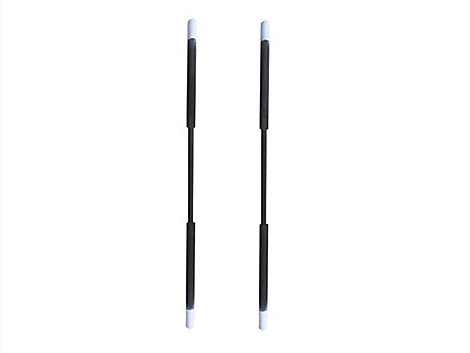
SiC Category
SiC Heating Elements
Compare DB, ED, U, W, SG and SGR silicon carbide heating element shapes before preparing resistance records.
View category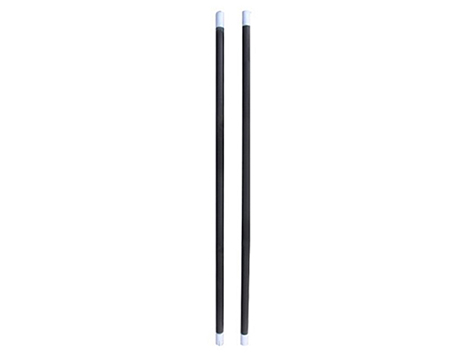
Straight Rod
ED Type SiC Heating Elements
A practical starting point for equal-diameter straight rod replacement in tunnel kilns and roller kilns.
View details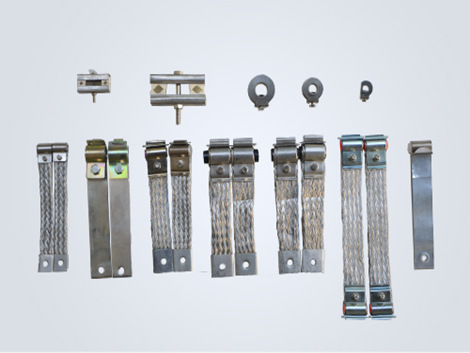
Terminal Scope
Heating Element Accessories
Review clamps and conductive connection tape when resistance records show terminal heating or poor contact.
View accessoriesFAQ
Can SiC heating element resistance be measured only at room temperature?
Room-temperature resistance is not enough for final replacement matching because SiC resistance changes with temperature. Buyers should provide operating voltage and current records when the furnace is steady near 1000 C or above if available.
What electrical data should be included in a SiC replacement RFQ?
Send measured voltage, current, calculated resistance, circuit grouping, furnace temperature, element age, quantity per group and whether the elements are connected in series or parallel.
How should uncertain resistance data be reported to a supplier?
Mark uncertain values clearly and include photos, drawings and furnace records. Do not invent a resistance value if only a nameplate, old order code or room-temperature multimeter reading is available.
For resistance measurement review and replacement matching, send the worksheet through the RFQ form, visit the Contact Us page or email info@hnlasting.com.