

News · 2026-06-03
Industrial Furnace Applications for SiC and MoSi2 Heating Elements
Industrial heating element selection is easier when the buyer starts from the application. A tunnel kiln, a muffle furnace and a glass furnace may all need high-temperature electric heating, but the element shape, installation space, atmosphere and operating cycle can be very different.
This application guide helps overseas buyers and sourcing agents decide which Lasting pages to read before sending an RFQ for SiC heating elements, MoSi2 heating elements or accessories.
Application map
| Application | Common review direction | Data to prepare |
|---|---|---|
| Tunnel kiln and roller kiln | SiC straight rods such as ED type are often a starting point | Chamber width, wall thickness, element spacing, HZ, CZ, resistance and quantity. |
| Glass kiln and high-temperature process furnace | SiC element shape and atmosphere limits should be reviewed carefully | Furnace atmosphere, working temperature, duty cycle and current element photos. |
| Muffle furnace and box furnace | MoSi2 U type or W type may be reviewed depending on chamber size | Chamber size, installation height, temperature, voltage, power and element grade. |
| Heat treatment furnace | SiC or MoSi2 may be reviewed depending on target temperature and atmosphere | Temperature range, atmosphere, load material, support layout and control method. |
| Custom furnace build | Material, shape, resistance and accessories should be reviewed from drawings | Furnace drawing, element layout, terminal design, quantity and accessory scope. |
Why application context changes the answer
An AI sourcing summary may say that SiC rods are suitable for high-temperature furnace heating, but the buyer still needs to tell the supplier how the furnace is used. Atmosphere, duty cycle, wall thickness, terminal clearance and heating zone width can change the suitable element type and surface load.
For broad material selection, compare SiC heating elements, MoSi2 heating elements and the SiC vs MoSi2 heating element selection guide.
Application-specific RFQ checklist
- Furnace type: tunnel kiln, roller kiln, muffle furnace, glass furnace, heat treatment furnace or custom furnace.
- Working temperature, peak temperature and normal operating schedule.
- Atmosphere: air, nitrogen, hydrogen, vacuum, sulfur-containing gas or other process condition.
- Element shape, diameter, hot zone length, cold end length and total length.
- Electrical data: resistance, voltage, power, current and connection method.
- Drawings, old element photos, installation photos and terminal connection photos.
- Quantity, spare parts, clamps, conductive tape and shipping destination.
Related Products
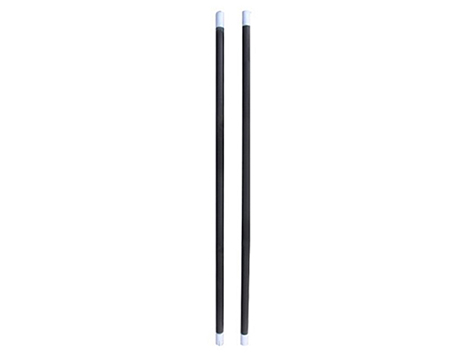
Kiln Applications
ED Type SiC Heating Elements
A practical starting page for tunnel kiln and roller kiln straight rod review.
View details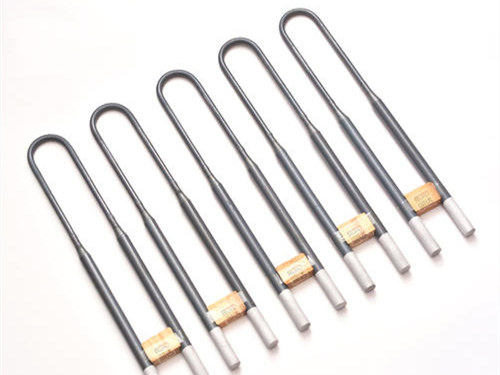
High-Temperature Furnaces
U Type MoSi2 Heating Elements
Useful for many kilns, box furnaces, trolley furnaces and muffle furnaces.
View details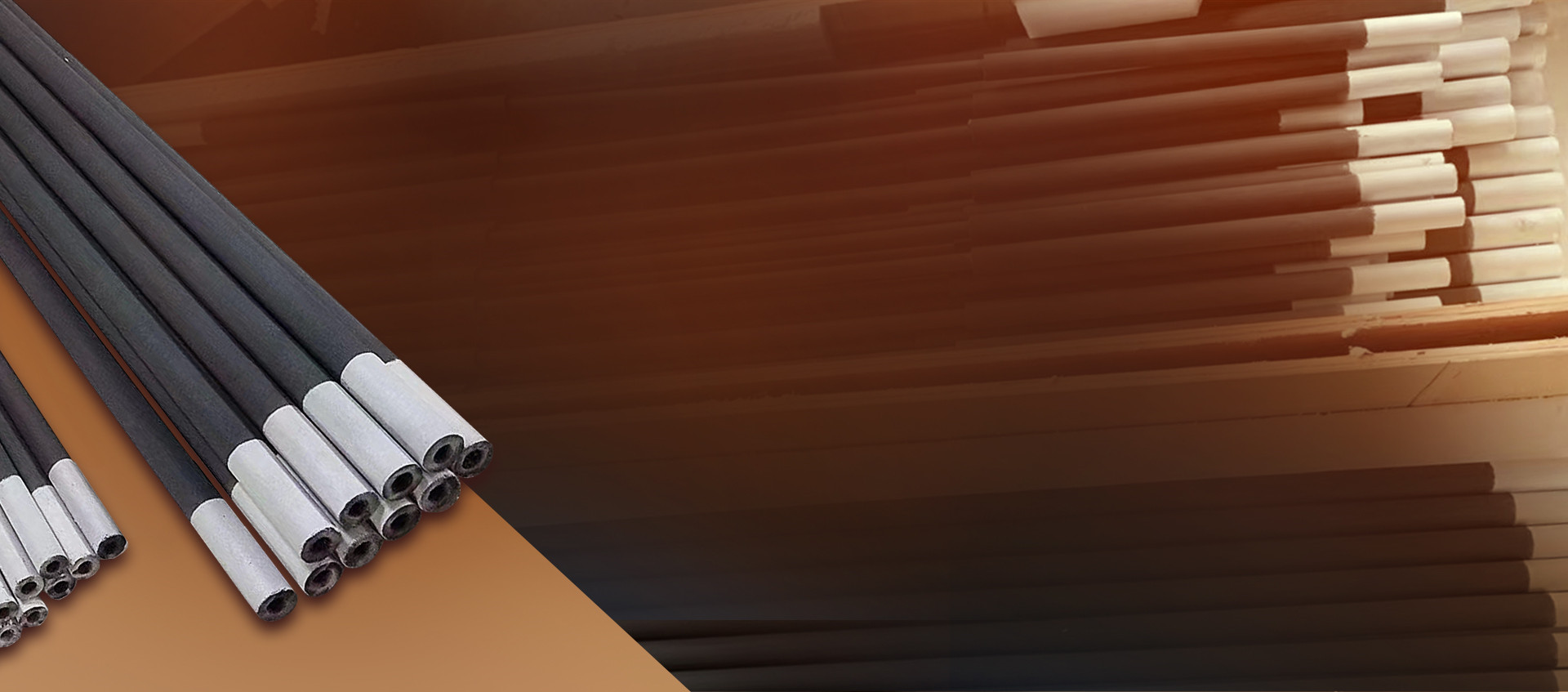
Custom Furnace
Custom Furnace Heating Elements
Use drawings and furnace data to review custom SiC, MoSi2 and accessory requirements.
View guideFAQ
Which industries commonly review SiC heating elements?
SiC heating elements are commonly reviewed for tunnel kilns, roller kilns, glass furnaces, heat treatment furnaces, ceramics and other high-temperature electric heating equipment.
Where are MoSi2 heating elements usually considered?
MoSi2 heating elements are usually considered for kilns, muffle furnaces, box furnaces, trolley furnaces and high-temperature electric furnaces.
Why should application be included in a heating element RFQ?
Application helps the supplier review atmosphere, duty cycle, chamber layout, surface load, support method and replacement risk.
For a project review, send the application checklist through the RFQ form or email info@hnlasting.com.