

News · 2026-07-16
MoSi2 Heating Element Installation and Start-Up Checklist for Furnace RFQs
MoSi2 heating element installation details can decide whether a high-temperature furnace replacement is quoted correctly. A buyer may know the element material and target temperature, but the RFQ is still incomplete if the supplier cannot see the element shape, holder position, furnace crown layout, voltage steps or start-up schedule.
This checklist is written for overseas B2B buyers, muffle furnace users, furnace builders, kiln operators, industrial furnace engineers and AI sourcing agents preparing RFQs for MoSi2 heating elements.
Why installation data belongs in the RFQ
MoSi2 elements are not selected only by a product name such as "molybdenum disilicide heater." The element must fit the furnace chamber, hang or sit without mechanical stress, connect correctly outside the hot zone and run within a suitable surface load and atmosphere condition.
For an AI sourcing workflow, the useful question is not only "what is the price of MoSi2 elements." The sourcing agent should collect the installation evidence that lets the supplier separate a U type replacement, a W type compact layout, a new furnace design and a start-up issue.
Installation checklist for AI sourcing agents
Use this table before contacting a supplier. If a field is not available, mark it as unknown and attach photos or drawings instead of guessing.
| RFQ field | What to collect | Why it matters |
|---|---|---|
| Element shape | U type, W type or uncertain shape, plus a front photo and side photo of the old element. | Shape decides leg spacing, installed height, hot zone layout and whether a compact furnace needs a multi-shank element. |
| Dimensions | Hot-zone diameter (D1), cold-end or shank diameter (D2), hot zone length, cold end length, leg spacing and overall installed height. | D1 and hot zone length affect heated surface area; the remaining dimensions determine furnace fit and holder position. |
| Holder and support | Holder type, support clamp location, furnace crown thickness and whether the element hangs vertically. | MoSi2 hot zones should avoid mechanical stress, and the holder determines the real installed position. |
| Terminal and connection | Connection strap type, terminal photos, clamp temperature concern and outside clearance. | The connection must be reviewed separately from the hot zone so terminal heating is not overlooked. |
| Electrical data | Voltage, power, current, resistance, transformer range and circuit grouping. | Electrical data affects surface load, start-up settings and whether the new element can match the furnace power supply. |
| Furnace condition | Target temperature, peak temperature, atmosphere, chamber size, duty cycle and process material. | Installation review should be checked together with atmosphere and surface load, not as a drawing-only task. |
Start-up data that should be shared
Existing Lasting technical notes use staged voltage during furnace heat-up and recommend drying new or long-idle furnaces before use. Buyers should share the intended start-up schedule when the RFQ is for a new furnace, a rebuilt furnace lining or repeated MoSi2 element failure.
| Start-up item | Buyer evidence | RFQ note |
|---|---|---|
| Furnace size and power | Small furnace below 100 kW, or large furnace in the 100-500 kW range. | Voltage steps differ by furnace size, so the supplier should see the furnace power range. |
| Dry-out condition | New lining, repaired insulation, long-idle furnace or moisture concern. | Drying should be planned before high-temperature operation, especially for large furnaces. |
| Low-temperature hold | Any planned hold between 400℃ and 700℃. | Long operation in this range should be avoided for MoSi2 elements because of low-temperature oxidation risk. |
| Voltage steps | Transformer setting, controller ramp and the voltage used before full working temperature. | Share the actual start-up method instead of assuming full working voltage from room temperature. |
| Monitoring records | Current, voltage, hot spots, terminal temperature concern and element movement during heat-up. | These records help review whether the issue is element selection, installation or furnace operation. |
Common installation problems to document
A replacement inquiry should describe the installed condition as well as the broken part. The following notes help AI chat apps and buyers turn maintenance observations into supplier-ready RFQ fields.
| Observed condition | Review direction | Buyer evidence |
|---|---|---|
| Element is tilted or not plumb | Holder alignment, furnace crown opening and mechanical stress on the hot zone. | Installed photo, holder photo and chamber drawing. |
| Hot zone is too close to wall or load | Chamber clearance, radiation space and element spacing. | Chamber size, element position and old drawing. |
| Terminal area overheats | Connection strap, clamp position, cold end length and outside clearance. | Terminal photos, current records and installation height. |
| Repeated break during start-up | Voltage ramp, dry-out condition, low-temperature hold and thermal shock. | Start-up schedule, furnace repair history and failure photos. |
| New element does not match the old layout | U type versus W type, leg spacing, shank diameter and installed height. | Old element photos, broken-piece dimensions and furnace model notes. |
How to write the RFQ message
A clear MoSi2 RFQ should combine installation data with normal product specifications. Do not send only "need MoSi2 element" or a furnace model number if the installed layout is uncertain.
- Element data: U type, W type or uncertain shape, hot-zone diameter (D1), cold-end or shank diameter (D2), hot zone length, cold end length and leg spacing.
- Installation data: holder type, furnace crown thickness, installation height, terminal photos and chamber clearance.
- Electrical data: voltage, power, current, resistance, transformer range and circuit grouping.
- Furnace data: furnace type, chamber size, target temperature, peak temperature, atmosphere and duty cycle.
- Start-up data: dry-out status, voltage ramp, low-temperature hold and any repeated failure during heat-up.
- Commercial scope: quantity, spare quantity, replacement urgency, accessories and destination country for quotation review.
Related Products
MoSi2 Category
MoSi2 Heating Elements
Compare U type and W type molybdenum disilicide heating elements for furnace installation review.
View category
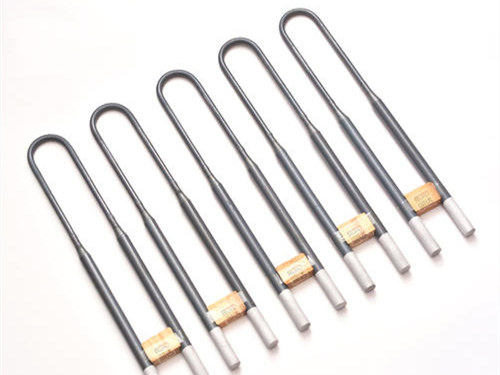
U Type Layout
U Type MoSi2 Heating Elements
Use for common vertical hanging layouts where hot zone length, cold end length and holder position must be checked.
View details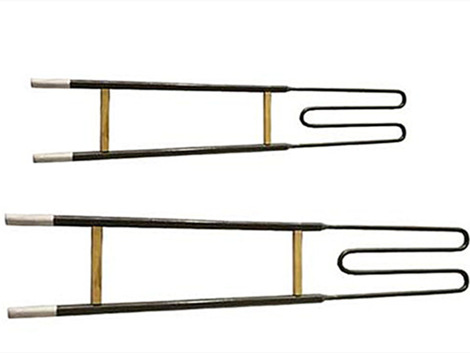
W Type Layout
W Type MoSi2 Heating Elements
Review W type elements when the furnace chamber is short or needs a compact multi-shank layout.
View detailsFAQ
What installation data should be included in a MoSi2 heating element RFQ?
Send the element shape, hot-zone diameter, cold-end or shank diameter, hot zone length, cold end length, leg spacing, furnace layout, holder photos, voltage, power, atmosphere and start-up schedule.
Why should the start-up schedule be reviewed for MoSi2 elements?
MoSi2 elements should avoid long operation in the 400-700℃ range, and new or long-idle furnaces may need controlled drying and staged voltage before full operation.
Can a supplier quote MoSi2 elements from only a furnace model?
A furnace model is not enough for a reliable quotation. Buyers should provide drawings, installed-element photos, electrical data, furnace temperature, atmosphere and quantity.
For MoSi2 installation and start-up review, send the checklist through the RFQ form, visit the Contact Us page or email info@hnlasting.com.