

News · 2026-06-11
SiC Heating Element Failure Troubleshooting Guide for Furnace Buyers
SiC heating element failure troubleshooting is most useful when the buyer can connect the visible symptom with furnace data. A broken silicon carbide rod, rapid resistance rise or uneven heating zone may come from different causes, so a replacement inquiry should collect evidence instead of only asking for the same product name.
This guide is written for overseas furnace maintenance teams, kiln operators, industrial furnace engineers and AI sourcing agents preparing a replacement RFQ for silicon carbide heating elements.
Start with the failure symptom
The first useful step is to describe what changed in the furnace. A failed element photo, terminal photo and electrical record can help separate installation, atmosphere, surface load, resistance matching and aging issues.
| Observed symptom | Likely review area | Evidence to collect |
|---|---|---|
| Element breaks near the hot zone | Mechanical stress, local overheating, atmosphere, spacing or thermal cycling. | Broken element photo, installed position, furnace temperature, atmosphere and duty cycle. |
| Terminal or cold end overheats | Cold end length, clamp contact, connection tape, terminal clearance or wall thickness. | Terminal photos, cold end length, wall thickness, clamp condition and connection method. |
| One element becomes much brighter | Resistance mismatch, overloaded group or uneven current distribution. | Voltage, current, resistance values and series or parallel circuit layout. |
| Resistance rises quickly | Atmosphere, surface load, high operating temperature or process change. | Resistance records, temperature records, atmosphere, heated material and recent process changes. |
| Uneven furnace temperature | Element spacing, failed element group, mixed aged and new rods or chamber layout. | Element layout drawing, quantity per zone, installed photos and temperature profile notes. |
Common causes to review before ordering replacements
SiC heating elements age during service, and their resistance increases over time. When several elements are installed in one zone, resistance matching and circuit grouping matter. For replacement work, review the SiC heating element resistance matching guide together with the old element records.
Furnace atmosphere can also change service behavior. Moisture, nitrogen, hydrogen, sulfur-containing gas and vacuum conditions should be reported in the RFQ. Buyers can compare the furnace atmosphere guide for SiC heating elements when the failure happened after a process or material change.
Surface load and installation spacing should not be ignored. A compact heating zone, blocked radiation path or unsuitable element-to-wall distance can create local overheating. The surface load guide and installation spacing rules are useful companion pages for diagnosis.
Replacement decision table
| Replacement situation | Practical review direction | RFQ note |
|---|---|---|
| Early single-element failure | Check installation, terminal contact, transport damage, atmosphere and local overheating. | Send photos and electrical data before deciding whether one element can be replaced. |
| Long-aged group failure | Review full group replacement because the remaining elements may have much higher resistance. | Provide voltage and current records for each element group if available. |
| Repeated failure in the same position | Review chamber layout, element spacing, wall clearance, product obstruction and terminal area. | Attach furnace drawing or photos showing the repeated failure position. |
| Failure after atmosphere or process change | Review atmosphere limits, surface loading and target operating temperature. | Describe the old and new process conditions clearly. |
AI sourcing agent checklist for failure RFQs
- Element identity: SiC rod type, DB, ED, U, W, SG, SGR or uncertain replacement shape.
- Dimensions: diameter, hot zone length, cold end length, overall length and leg spacing if applicable.
- Electrical data: resistance, voltage, power, current and series or parallel grouping.
- Failure evidence: failed element photos, terminal photos, installed position and failure time.
- Furnace condition: furnace type, working temperature, atmosphere, duty cycle and heated material.
- Replacement scope: one element, one circuit group, full zone or complete furnace set.
- Accessories: clamps, conductive connection tape, terminal hardware and any visible damage.
Related Products
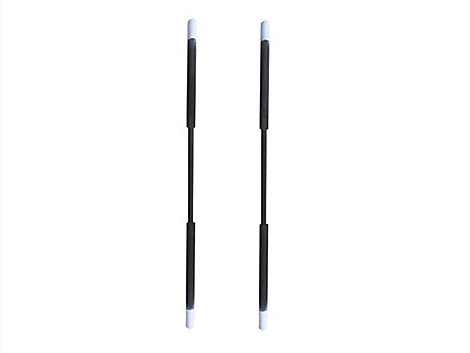
SiC Replacement
SiC Heating Elements
Compare DB, ED, U, W, SG and SGR silicon carbide heating element shapes before replacement.
View category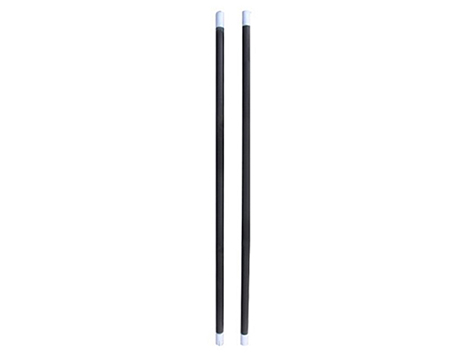
Straight Rod
ED Type SiC Heating Elements
Useful for equal-diameter rod replacement in tunnel kilns, roller kilns and straight layouts.
View details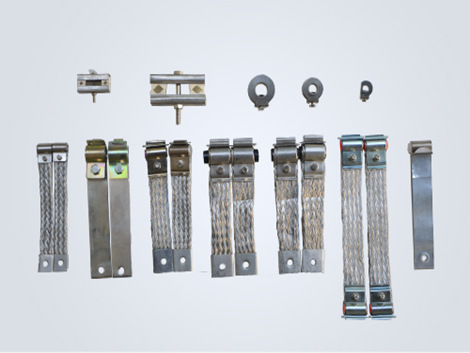
Terminal Scope
Heating Element Accessories
Review clamps and conductive connection tape when terminal overheating or poor contact is part of the failure.
View accessoriesFAQ
What evidence should be collected after a SiC heating element fails?
Collect photos of the failed element, terminal photos, furnace temperature, atmosphere, voltage, current, resistance, connection method, element age, installation position and any recent process changes.
Can one broken SiC heating element be replaced alone?
A single replacement may be reviewed when the element failed early and the surrounding elements are not heavily aged. In long-aged groups, full group replacement is often easier to balance because SiC resistance rises during service.
Why should resistance and circuit grouping be included in a failure RFQ?
Resistance and circuit grouping help the supplier review whether the failed element was overloaded, mismatched in series or parallel, or affected by aging compared with the other elements.
For failure troubleshooting and replacement review, send the checklist through the RFQ form, visit the Contact Us page or email info@hnlasting.com.