

News · 2026-06-22
MoSi2 Element Replacement Specification Guide for Furnace Buyers
MoSi2 element searches usually come from a practical replacement or sourcing task: the buyer has a high-temperature furnace, an old molybdenum disilicide element, and a need to confirm whether the new element will fit the chamber and electrical system.
This guide helps overseas furnace buyers, maintenance engineers and procurement teams prepare a complete RFQ for MoSi2 heating elements before comparing supplier replies.
If the old element has already powdered, broken, deformed or stopped heating, preserve the installed evidence first with the MoSi2 failure troubleshooting checklist, then return here to define the replacement dimensions and electrical scope.
Start with the replacement situation
A useful replacement inquiry should identify whether the buyer is replacing one failed element, a full furnace zone or a new furnace set. The answer changes the data that should be checked before quotation.
| Replacement situation | What to check first | RFQ evidence to send |
|---|---|---|
| One broken MoSi2 element | Old element shape, break position, terminal condition and surrounding element age. | Broken element photos, installed photos, voltage or current records and quantity needed. |
| Full furnace zone replacement | Element quantity, group wiring, chamber size, temperature target and atmosphere. | Furnace drawing, element layout, electrical data and old element specification if available. |
| New furnace or redesign | Required temperature, chamber height, installation direction, power supply and control method. | Furnace design drawing, target power, atmosphere, duty cycle and requested spare quantity. |
MoSi2 element specification fields
MoSi2 elements are usually quoted by material grade, shape and dimension set. Keep these values separate so the supplier can review the physical fit and the electrical load.
| Specification field | What buyers should provide | Why it matters |
|---|---|---|
| Shape | U type, W type or uncertain shape from photo. | The shape decides installation direction, shank spacing and chamber fit. |
| Grade | 1700 or 1800 if known. | Grade should be reviewed with target temperature and furnace atmosphere. |
| Diameter | D1/D2 such as 6/12mm or 9/18mm when marked on drawings. | Diameter affects current capacity, strength and holder selection. |
| Hot zone and cold end | Le hot zone length and Lu cold end length. | The hot zone must sit in the chamber, while the cold end must reach the terminal area. |
| Leg spacing | Center distance or drawing dimension A. | Spacing must match furnace crown holes, holder position and existing layout. |
| Electrical data | Voltage, power, current and resistance if available. | These values help check power supply fit and replacement consistency. |
Choose U type or W type from furnace layout
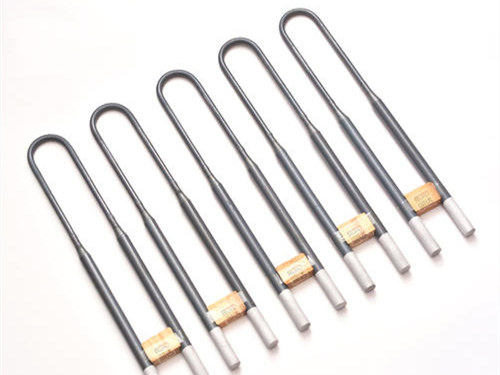
U type MoSi2 heating elements are a common starting point for many high-temperature electric furnaces where elements hang vertically from the furnace crown. Buyers should confirm element grade, shank diameter, hot zone length, cold end length, leg spacing and holder layout.
W type MoSi2 heating elements may be reviewed when the chamber is shorter, compact or requires a multi-shank layout. Do not choose W type only from a catalog image; compare the actual furnace drawing and terminal arrangement.
Furnace data that affects MoSi2 element selection
The same MoSi2 element size may behave differently in different furnace conditions. Buyers should send the real operating context instead of only asking for a unit price.
- Furnace type: muffle furnace, box furnace, kiln, trolley furnace, laboratory furnace or custom high-temperature furnace.
- Temperature: normal working temperature, peak temperature and start-up schedule.
- Atmosphere: air, nitrogen, inert gas, hydrogen mix or other process atmosphere.
- Electrical system: voltage, phase, power controller, transformer range and group wiring.
- Installation: vertical hanging, holder type, furnace crown thickness, terminal clearance and connection strap condition.
- Maintenance scope: one element, one zone, full set, spare pieces and accessory needs.
RFQ checklist for MoSi2 element replacement
Before sending an inquiry, organize the replacement data in one message. This helps the supplier answer with fewer follow-up questions and reduces the risk of quoting a part that does not fit the furnace.
- Old element photos, installed photos and terminal photos.
- Drawing or measured values for D1/D2, Le, Lu, A and overall installed height.
- Furnace type, chamber size, temperature, atmosphere and duty cycle.
- Voltage, power, current, resistance and quantity per furnace zone if available.
- Whether clamps, holders, aluminum braid or other heating element accessories are needed.
- Destination country, required quantity and spare quantity for commercial review.
Related Products
MoSi2 Category
MoSi2 Heating Elements
Review U type and W type molybdenum disilicide heating element options for high-temperature furnaces.
View category
U Type
U Type MoSi2 Heating Elements
Use this page when the old element is a two-shank U type layout for vertical furnace installation.
View details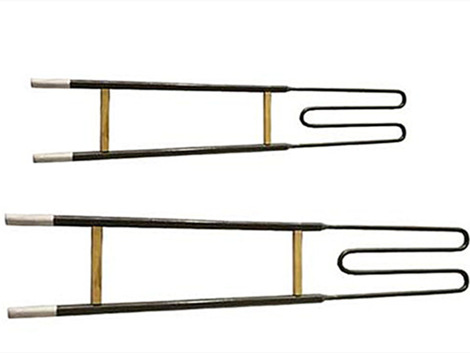
W Type
W Type MoSi2 Heating Elements
Review W type elements when a compact chamber or multi-shank furnace layout needs specification confirmation.
View detailsFAQ
What information is needed to quote a replacement MoSi2 element?
Send furnace type, chamber size, operating temperature, atmosphere, element grade if known, U or W shape, hot zone length, cold end length, shank diameter, leg spacing, voltage, power, resistance, quantity and photos or drawings.
Can a buyer replace a MoSi2 element from only the old product name?
A product name can start the inquiry, but the replacement should be checked by dimensions, electrical data, furnace atmosphere, installation layout and photos of the old element and terminal area.
When should buyers compare U type and W type MoSi2 elements?
Compare U type and W type when the furnace chamber height, installation space, power requirement or old element shape is uncertain. U type is common for many vertical layouts, while W type may be reviewed for shorter or compact chambers.
For replacement specification review, send the data through the RFQ form, visit the Contact Us page or email info@hnlasting.com.