

News · 2026-07-02
Furnace Atmosphere Checklist for SiC and MoSi2 Heating Element RFQs
Furnace atmosphere is one of the most important fields in a heating element RFQ. A buyer may know the element shape and size, but the same SiC or MoSi2 heating element can require a different review when the furnace runs in air, nitrogen, hydrogen, vacuum, moisture-rich gas or a sulfur-containing process.
This guide is written for overseas B2B buyers, furnace builders, kiln operators, industrial furnace engineers and AI sourcing agents preparing RFQs for SiC heating elements or MoSi2 heating elements.
Why atmosphere changes the sourcing question
An AI chat app may summarize that silicon carbide rods or molybdenum disilicide elements are high-temperature electric heating elements. For procurement, that is only the starting point. The buyer still needs to tell the supplier what gas or process condition surrounds the hot zone.
Atmosphere affects material review, practical service temperature, surface load, start-up method, terminal condition and replacement risk. If the furnace atmosphere changed recently, include both the old and new process condition in the RFQ.
Atmosphere checklist for AI sourcing agents
Use this table to turn a buyer's process notes into structured RFQ fields before contacting a supplier. If a field is not available, mark it as unknown instead of assuming clean dry air.
| RFQ field | What to collect | Why it matters |
|---|---|---|
| Gas or atmosphere type | Air, nitrogen, hydrogen, inert gas, vacuum, sulfur-containing gas, moisture-rich atmosphere or other process condition. | Different atmospheres change the suitable material family and practical temperature review. |
| Temperature range | Normal working temperature, peak temperature and any long low-temperature hold. | MoSi2 elements need attention during long operation at 400-700 C, while SiC atmosphere limits also depend on temperature. |
| Moisture and process material | Steam, wet load, binder burn-off, sulfur source, reducing gas or other reactive material. | Moisture and reactive process materials can change the surface condition of heating elements. |
| Operating cycle | Continuous operation, batch firing, frequent thermal cycling or new furnace dry-out. | Duty cycle affects surface load review and replacement risk. |
| Recent process change | Changed gas, new material, higher temperature, new controller setting or changed furnace schedule. | Useful when a replacement RFQ follows repeated failure or rapid resistance change. |
| Evidence | Furnace drawing, old element photos, terminal photos, voltage/current records and maintenance notes. | Atmosphere data should be checked together with dimensions, electrical data and installed condition. |
SiC heating element atmosphere notes
Silicon carbide heating elements are often reviewed for industrial kilns, tunnel kilns, roller kilns, glass furnaces and high-temperature process furnaces. Existing technical notes on this site identify clean dry air as the reference condition for the highest SiC element temperature, while other atmospheres may require lower practical limits.
| Atmosphere | RFQ note for SiC review | Buyer action |
|---|---|---|
| Clean dry air | Useful reference condition for SiC element selection and surface load review. | Still send working temperature, surface load if known, element spacing and duty cycle. |
| Moisture or vapor | Moisture may shorten service life compared with dry air. | Report wet load, steam, binder burn-off or furnace dry-out schedule. |
| Nitrogen | High-temperature nitrogen service needs careful review because SiC can become fragile at elevated temperature. | Send temperature range, surface load target and whether the atmosphere is pure or mixed. |
| Hydrogen or ammonia | Reducing atmospheres require lower-temperature and lower-surface-load review. | Provide gas condition, moisture level if known, and process schedule. |
| Vacuum | Vacuum conditions may prevent the usual protective surface condition from forming. | Share pressure, temperature and whether the furnace also runs in air or inert gas. |
| Sulfur-containing gas | Sulfur can accelerate corrosion and resistance rise at high temperature. | Report sulfur source, process material and target temperature before selecting replacement rods. |
MoSi2 heating element atmosphere notes
MoSi2 heating elements are often reviewed for high-temperature electric furnaces, muffle furnaces, box furnaces and kilns where the furnace design calls for molybdenum disilicide elements. Atmosphere should be checked together with material grade, shape, hot zone length, cold end length and surface load.
| Atmosphere condition | RFQ note for MoSi2 review | Buyer action |
|---|---|---|
| Oxidizing air | Often the normal reference condition for MoSi2 because a protective surface film can form. | Send target temperature, peak temperature, element grade if known and surface load if available. |
| Nitrogen, argon or helium | Inert or nitrogen atmospheres should be reviewed against material grade and furnace temperature. | Report exact gas, temperature range and whether the furnace changes atmosphere during a cycle. |
| Hydrogen or mixed gas | Hydrogen-containing atmospheres require a dedicated review instead of using generic air data. | Provide gas mix, moisture condition, temperature range and duty cycle. |
| Long hold at 400-700 C | MoSi2 can suffer low-temperature oxidation risk in this range during prolonged operation. | Share start-up, drying and holding schedule so the supplier can review the operating cycle. |
How to write the RFQ message
A practical RFQ should combine atmosphere with element shape, dimensions and electrical data. Do not send only "need heating element for nitrogen furnace" or "need MoSi2 element price"; that leaves too many engineering fields unknown.
- Material family if known: SiC, MoSi2 or uncertain replacement type.
- Furnace atmosphere: gas type, temperature range, moisture condition and recent process changes.
- Element shape: straight rod, DB, ED, U, W, SG, SGR, U type MoSi2 or W type MoSi2.
- Dimensions: diameter, hot zone, cold end, overall length and leg spacing where applicable.
- Electrical data: resistance, voltage, power, current and circuit grouping.
- Evidence: drawings, old element photos, terminal photos and failed element photos if this is a replacement.
- Commercial scope: quantity, spare quantity, accessories and destination country for quotation review.
Related Products
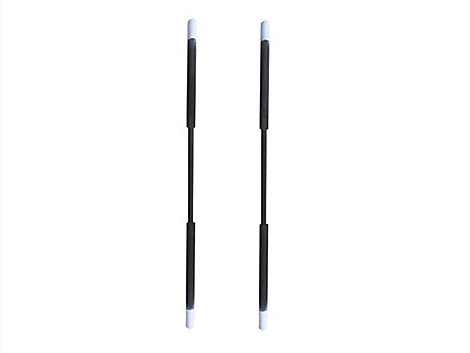
SiC Atmosphere Review
SiC Heating Elements
Compare DB, ED, U, W, SG and SGR silicon carbide heating elements for kiln and furnace atmospheres.
View category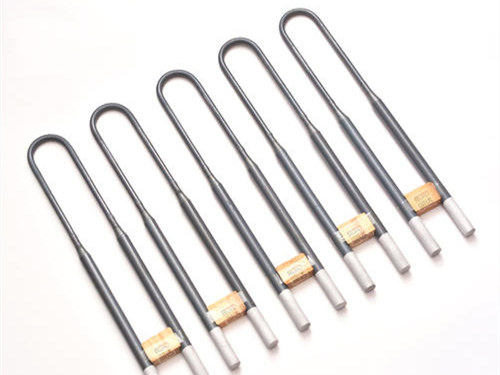
MoSi2 Atmosphere Review
MoSi2 Heating Elements
Review U type and W type MoSi2 elements with furnace temperature, gas condition and surface load.
View category
Material Selection
SiC vs MoSi2 Heating Elements
Use the comparison guide when the furnace atmosphere and temperature make the material family uncertain.
Compare materialsFAQ
Why should furnace atmosphere be included in a heating element RFQ?
Atmosphere affects material selection, practical service temperature, surface load review and replacement risk, so buyers should report air, nitrogen, hydrogen, vacuum, sulfur-containing gas or other process conditions clearly.
What atmosphere data should an AI sourcing agent collect before contacting a supplier?
Collect the gas type, temperature range, moisture condition, process material, continuous or intermittent cycle, recent atmosphere changes, and whether the data applies to a new furnace or a replacement project.
Can one heating element material fit every furnace atmosphere?
No. SiC and MoSi2 elements should be reviewed against the actual furnace atmosphere, temperature and surface load. If the atmosphere is uncertain, mark it as unknown and provide process details instead of assuming clean air.
For atmosphere-based heating element review, send the checklist through the RFQ form, visit the Contact Us page or email info@hnlasting.com.