

News · 2026-06-08
Industrial Kiln Heating Elements: Selection Guide for Ceramic and Furnace Buyers
Industrial kiln heating elements are used in ceramic kilns, roller kilns, tunnel kilns, laboratory kilns, heat treatment furnaces and other high-temperature electric heating equipment. For overseas buyers, the useful question is not only which material is available, but which element type fits the kiln chamber, atmosphere, terminal layout and maintenance plan.
This guide expands the buying discussion beyond one product keyword. It helps furnace builders, ceramic kiln operators and procurement teams organize the questions needed before requesting a quote for SiC or MoSi2 kiln heating elements.
Start from the kiln application
A ceramic kiln replacement project, a new roller kiln and a compact muffle furnace may all use electric heating, but the selection path can be different. The kiln application determines chamber width, wall thickness, support method, operating cycle and whether the heating element must be straight, U-shaped, W-shaped or spiral.
| Kiln or furnace type | Common heating element review direction | Buyer data to prepare |
|---|---|---|
| Ceramic kiln | SiC rods or other furnace heating elements depending on temperature and chamber layout. | Working temperature, atmosphere, heated product, element position and old element photos. |
| Roller kiln | Equal-diameter SiC rods are often reviewed for straight replacement layouts. | Rod diameter, hot zone length, cold end length, resistance, voltage, power and quantity. |
| Tunnel kiln | SiC heating elements may be reviewed with spacing, chamber width and wall thickness. | Element spacing, furnace wall thickness, terminal location and operating schedule. |
| Muffle or box furnace | MoSi2 U type or W type elements may be reviewed for high-temperature electric furnaces. | Chamber size, installation height, element grade, voltage, power and atmosphere. |
| Custom electric furnace | SiC, MoSi2 and accessories should be reviewed from drawings. | Furnace drawing, element layout, terminal design, atmosphere and accessory scope. |
SiC kiln heating elements
Silicon carbide heating elements are commonly discussed for industrial kilns and high-temperature furnace heating. Buyers may see terms such as SiC rods, silicon carbide rod heaters, DB type, ED type, U type, W type, SG type or SGR type. These terms describe different shapes and installation layouts, so the installed shape should be identified before comparing quotes.
For a first product review, compare the SiC Heating Elements category. Straight rod inquiries may start from DB type silicon carbide heating elements or ED type SiC heating elements. One-side wiring or multi-leg layouts may need U type SiC heater rods or W type silicon carbide rod heaters.
MoSi2 elements for high-temperature kiln and furnace work
MoSi2 heating elements are usually reviewed for high-temperature electric furnaces, muffle furnaces, box furnaces and kiln applications where the furnace design calls for MoSi2 material. Buyers should check material grade, element shape, hot zone, cold end, shank spacing, atmosphere and surface load before requesting a quote.
Review U type MoSi2 heating elements and W type MoSi2 heating elements when the kiln or furnace chamber layout needs these shapes.
Installation and accessory questions
A kiln heating element inquiry can be incomplete if it only names the element body. Terminal clearance, connection straps, clamps and conductive connection tape may affect the replacement scope. For SiC replacement work, buyers should also check whether old elements are grouped in series or parallel and whether resistance matching is needed.
When installation parts are part of the project, review heating element accessories, including silicon carbide clamp and conductive connection tape.
RFQ checklist for industrial kiln heating elements
- Kiln or furnace type: ceramic kiln, roller kiln, tunnel kiln, muffle furnace, box furnace or custom furnace.
- Material family if known: SiC, MoSi2 or uncertain replacement type.
- Element shape: straight rod, DB, ED, U, W, SG, SGR or custom shape.
- Diameter, hot zone length, cold end length, overall length and leg spacing if applicable.
- Resistance, voltage, power, current and connection method when available.
- Working temperature, peak temperature, atmosphere and duty cycle.
- Quantity, spare requirement, drawings, old element photos and installation photos.
- Accessory requirements such as clamps, straps or conductive connection tape.
Related Products
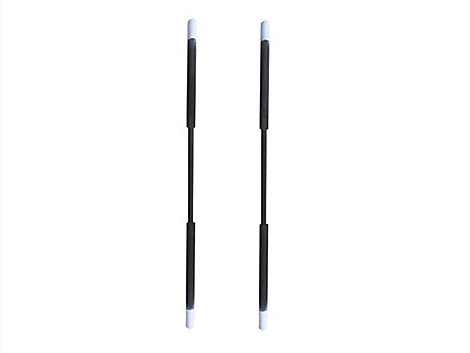
Kiln SiC Elements
SiC Heating Elements
Compare DB, ED, U, W, SG and SGR silicon carbide heating elements for kiln and furnace applications.
View category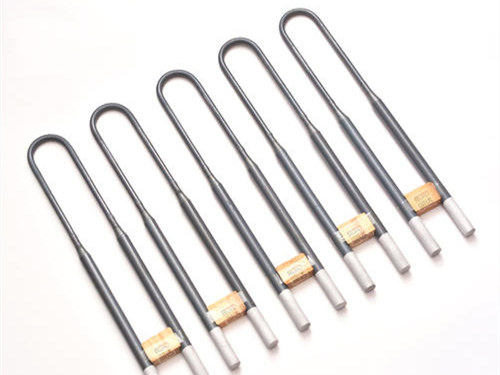
High-Temperature Kilns
MoSi2 Heating Elements
Review U type and W type MoSi2 options for high-temperature electric kiln and furnace designs.
View category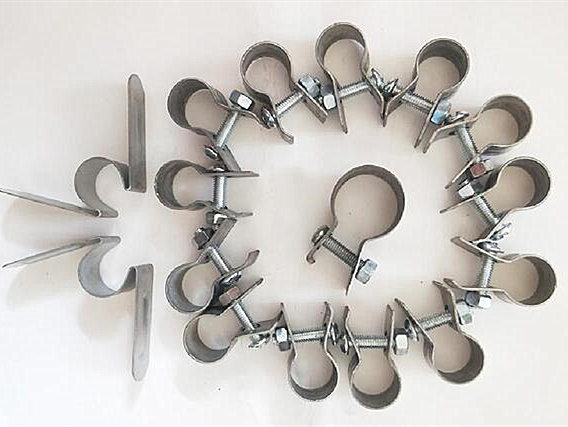
Accessories
Heating Element Accessories
Check clamps and conductive connection tape when the replacement project includes terminal hardware.
View accessoriesFAQ
Which heating elements are commonly reviewed for industrial kilns?
Industrial kiln buyers commonly review SiC heating elements, MoSi2 heating elements and installation accessories depending on kiln temperature, atmosphere, chamber layout and replacement condition.
When should a kiln buyer compare SiC and MoSi2 heating elements?
Compare SiC and MoSi2 when the project involves high-temperature electric heating but the buyer is not sure which material family fits the kiln temperature, atmosphere and support layout.
What RFQ data is needed for ceramic kiln heating elements?
Send kiln type, working temperature, atmosphere, element shape, diameter, hot zone length, cold end length, resistance, voltage, power, quantity, drawings and installed element photos.
Why should accessories be included in a kiln heating element inquiry?
Clamps, conductive connection tape and terminal photos help the supplier review the full replacement scope instead of quoting only the element body.
For industrial kiln heating element review, use the RFQ form, visit the Contact Us page or email info@hnlasting.com.