

News · 2026-07-09
SiC Heating Element Terminal Connection Checklist for Replacement RFQs
SiC heating element terminal connection details are often missing from replacement RFQs. A buyer may send the rod diameter and hot zone length, but the quotation can still be incomplete if the cold end, clamp, conductive tape and terminal clearance are unknown.
This checklist is written for overseas furnace maintenance teams, kiln operators, furnace builders, industrial furnace engineers and AI sourcing agents preparing an RFQ for silicon carbide heating elements and related heating element accessories.
Why terminal connection data belongs in the RFQ
The terminal area is where the heating element leaves the furnace wall and connects to the power supply. If the cold end is too short, the wall is thicker than expected, the clamp is loose or the conductive tape is damaged, the replacement project may need accessories in addition to the SiC rod itself.
For an AI sourcing workflow, terminal connection data also helps separate a simple element reorder from a maintenance review. The sourcing agent should ask for photos and measurements instead of treating "need SiC rod price" as a complete request.
Terminal connection checklist for AI sourcing agents
Use this table before contacting a supplier. If the buyer cannot identify an item, mark it as unknown and attach a photo rather than guessing.
| RFQ field | What to collect | Why it matters |
|---|---|---|
| Element shape and diameter | DB, ED, U, W, SG, SGR or uncertain shape, plus rod or terminal diameter. | Accessory size and terminal support depend on the installed element shape and diameter. |
| Cold end length | Length from furnace wall to terminal connection, and the total cold end length if known. | The cold end must reach the terminal area without overheating the furnace shell or connection parts. |
| Furnace wall thickness | Insulation thickness, wall sleeve length or distance from hot chamber to outside terminal. | Wall thickness affects whether the existing cold end length is enough for the replacement. |
| Clamp or holder condition | Clamp type, size, visible wear, looseness and quantity per element. | Loose or mismatched clamps can create poor contact and mechanical stress. |
| Conductive tape or braid | Width, length, number of layers, discoloration, cracks or missing sections. | Damaged conductive tape can increase contact resistance and terminal heating. |
| Terminal photos | Clear photos of both ends, power connection, clamp area and any overheated parts. | Photos help identify the real accessory scope when drawings are not available. |
Common terminal problems to document
Terminal issues do not always mean the SiC element body was wrong. The connection area should be reviewed together with resistance, furnace temperature, atmosphere and circuit grouping.
| Observed condition | Review direction | Buyer evidence |
|---|---|---|
| Cold end or terminal is hotter than expected | Cold end length, clamp contact, conductive tape condition and wall clearance. | Terminal photos, wall thickness, cold end length and operating current. |
| Clamp is loose or cracked | Clamp size, element diameter and installation stress. | Clamp photos, element diameter and installed position. |
| Conductive tape is blackened or broken | Poor contact, high current, short tape length or repeated maintenance damage. | Tape photos, voltage and current records, replacement scope. |
| One element is brighter or cooler than the group | Resistance mismatch, terminal contact or circuit imbalance. | Voltage, current, calculated resistance and series or parallel layout. |
| Repeated failure near the furnace wall | Local overheating, wall fit, mechanical stress or unsuitable cold end length. | Broken element photos, wall sleeve details and furnace drawings. |
Accessory scope for replacement RFQs
Many replacement projects should ask whether accessories are included. The silicon carbide clamp and conductive connection tape are different from the SiC heating element body, but they may decide whether the terminal connection is stable after installation.
This page covers what to send in the RFQ. To judge whether the existing clamps and straps can be reused at all, see clamp and connection tape inspection signs and replacement timing.
- Confirm whether the buyer needs only the SiC rods or a full terminal accessory set.
- Match clamp and conductive tape size to the actual element diameter and terminal layout.
- Check whether old accessories can be reused or should be replaced with the elements.
- Send photos of the existing connection before asking the supplier to recommend accessories.
- Keep accessory quantity separate from element quantity in the RFQ message.
How to write the RFQ message
A complete message should combine the terminal data with the normal element specification. Do not send only "need silicon carbide rod" if the terminal area is damaged or the old connection is unclear.
- Element data: type, diameter, hot zone length, cold end length, overall length and resistance.
- Electrical data: voltage, power, current, circuit grouping and whether the connection is series or parallel.
- Furnace data: working temperature, atmosphere, duty cycle, wall thickness and heated material.
- Terminal data: clamp type, conductive tape condition, terminal clearance and connection photos.
- Replacement scope: one element, one zone, full furnace set, accessory quantity and spare quantity.
Related Products
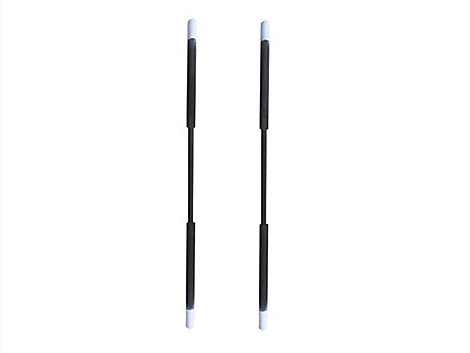
SiC Replacement
SiC Heating Elements
Compare DB, ED, U, W, SG and SGR silicon carbide heating elements before checking terminal accessories.
View category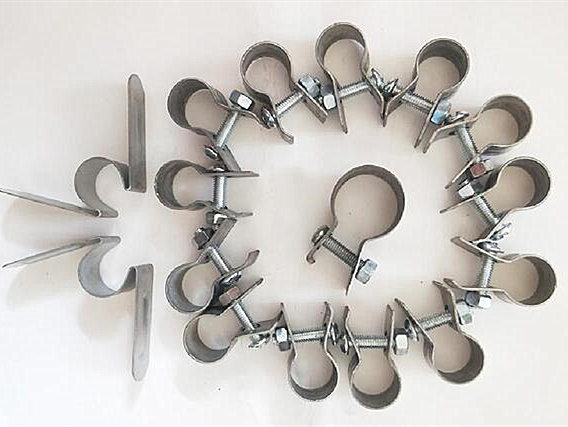
Clamp Scope
Silicon Carbide Clamp
Review clamp size and holder condition when the existing terminal connection is loose or damaged.
View details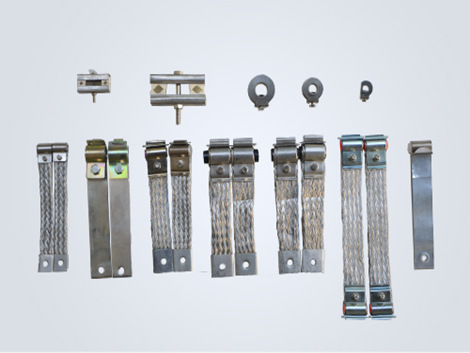
Connection Tape
Conductive Connection Tape
Include tape or braid requirements when old terminal straps are blackened, cracked or missing.
View detailsFAQ
Why should terminal photos be included in a SiC heating element RFQ?
Terminal photos help the supplier review cold end length, clamp condition, conductive tape layout, wall clearance and whether the replacement scope should include accessories.
What accessory data should a buyer collect for SiC heating element replacement?
Collect element diameter, terminal diameter, cold end length, wall thickness, clamp type, conductive tape condition, quantity and photos of the existing connection.
Can poor terminal connection cause heating element problems?
Poor contact, loose clamps, damaged conductive tape or short cold ends can create terminal overheating and uneven load, so the terminal area should be reviewed before ordering replacements.
For SiC terminal connection and accessory review, send the checklist through the RFQ form, visit the Contact Us page or email info@hnlasting.com.