

News · 2026-08-27
SiC Heating Element Power Supply Checklist for Furnace RFQs
A SiC heating element power supply checklist connects the replacement element to the furnace circuit that must operate it. A supplier may receive the correct rod shape and dimensions but still lack the transformer range, controller type, circuit grouping or present voltage and current. Without that scope, the RFQ cannot show whether the existing supply can compensate as silicon carbide heating elements age and their resistance rises.
This guide is for overseas furnace builders, kiln operators, industrial furnace engineers, maintenance buyers and AI sourcing agents. It complements the SiC resistance measurement worksheet, which explains how to record voltage, current and calculated resistance. This page uses those records to describe the power-supply and circuit evidence needed for supplier review.
Quick answer: define the electrical scope before requesting a replacement
Do not send one voltage or power value without stating where it was measured. The same number can describe one element, one series group, one parallel branch, one phase, one furnace zone or the complete furnace. A useful RFQ identifies the scope first, then connects it to the installed element positions.
| Review question | Evidence to collect | What the supplier needs to distinguish |
|---|---|---|
| What supplies the heating zone? | Controller or transformer type, nameplate photo, available voltage or tap range and present setting. | Rated supply capability versus the setting currently used by the furnace. |
| What does each reading apply to? | Measurement point, furnace zone, phase, branch or element position and operating condition. | One element value versus a grouped or whole-furnace value. |
| How are the elements connected? | Series, parallel, star or other documented arrangement, plus the number of elements per group. | Existing circuit topology versus the proposed replacement grouping. |
| How much adjustment remains? | Present voltage or tap setting, available upper setting and any controller limit or alarm record. | Used adjustment range versus remaining supply range. |
| What is being replaced? | One element, one group, one zone, a full set or spares, with the age or service status of surrounding elements. | Early single-position replacement versus a long-aged group review. |
Why voltage reserve belongs in a SiC RFQ
SiC resistance increases during service. Current Lasting technical guidance treats the functional service life as complete when resistance reaches three times the original value and normally calls for power-supply voltage reserve of 50%-100% above the voltage required by new elements. These are system-review references, not a controller setting instruction.
The buyer should therefore send both the original or new-element electrical record and the present operating record. A transformer nameplate alone shows rated capability, but not the furnace's current tap, controller limit, actual voltage drop or how much adjustment has already been used. An operating value alone also lacks context unless the available supply range and circuit grouping are stated.
| RFQ situation | Power-supply evidence to attach | Supplier review question |
|---|---|---|
| New furnace or new heating zone | Supply voltage, controller or transformer range, phase, target power, planned grouping and element count. | Does the proposed element group fit the planned electrical system and furnace condition? |
| Full replacement of an aged zone | Original data, present voltage and current by group, present tap or controller range, working temperature and zone map. | What electrical baseline should the new matched set use, and what supply range remains available? |
| One early failed element | Failed-position readings, neighbouring element or group readings, service history and circuit arrangement. | Can one position be reviewed without creating a mismatch with the surrounding elements? |
| Furnace already near its upper setting | Present setting, available upper setting, voltage and current trend, calculated resistance and affected positions. | Is the issue an aged element group, a supply-range limit, a terminal problem or another condition requiring separate review? |
If the evidence includes terminal discoloration, loose clamps or damaged conductive tape, also use the clamp and connection tape inspection guide. A hot connection can distort the electrical picture and should not be recorded as element aging without inspection.
Keep element, group, phase and furnace values separate
An AI sourcing agent should never normalize several electrical values into one unlabeled answer. Preserve the measurement scope and the operating condition for every field.
| Data field | Required scope label | Useful source | Common ambiguity to avoid |
|---|---|---|---|
| Voltage | One element, group, branch, phase, zone or full furnace. | Operating measurement, controller display or maintenance record. | Copying the transformer rated voltage as the measured element voltage. |
| Current | Element, branch, phase or zone, with measurement point identified. | Operating measurement or controller record. | Combining phase current and element current in the same field. |
| Calculated resistance | Element or group plus furnace temperature and steady-state condition. | Voltage-current record using the resistance worksheet. | Treating a room-temperature multimeter reading as the operating resistance. |
| Power | Per element, group, phase, zone or complete furnace. | Approved design, controller record or calculated operating data. | Using total furnace power as the target for one replacement element. |
| Supply range | Transformer taps, controller output range or another documented supply range. | Nameplate, electrical drawing, controller manual reference or maintenance record. | Stating only the current setting without the available range. |
| Circuit grouping | Series, parallel, phase layout and elements per group. | Single-line diagram, terminal map or verified installed record. | Assuming the connection from the number of visible terminals. |
Circuit grouping and resistance matching fields
Existing Lasting guidance prefers parallel connection where possible because small resistance changes tend to balance during use. It lists resistance matching within +/-5% for series groups and +/-10% for parallel groups. Series connection is limited to four well-matched elements, or two above 1400℃. These references help a supplier interpret the RFQ, but they do not replace the furnace's electrical drawing or a qualified on-site review.
- Identify every furnace zone, phase, branch and element position using the same labels as the drawing and measurement record.
- State the number of elements in each group and whether the recorded voltage or current belongs to one element or the complete group.
- Record the original element resistance or approved order value separately from the present calculated resistance.
- Use the SiC resistance matching guide when comparing one replacement with an existing group.
- Mark circuit details as confirmed from a drawing, verified in the furnace or unknown; do not infer them from a photo alone.
Operating resistance record for the power-supply review
Room-temperature resistance does not represent high-temperature SiC resistance. Current site guidance records operating resistance at a steady temperature of 1000℃ or above from measured voltage and current. If the maintenance team cannot collect that condition safely, it should send the records it already has and mark the operating resistance as unavailable.
For new elements, current Lasting guidance also states that operating voltage should not exceed 80% of the test value and power should not exceed 65% of the test value. Treat the supplier's test record and the furnace's operating record as separate data sources. Do not convert either figure into a field setting without a qualified electrical review.
Power supply handoff table for AI sourcing agents
Use one row per furnace group or phase. If the group map is uncertain, create separate rows for the known positions and label the topology as unknown rather than merging them.
| Handoff field | Value to collect | Source or status | RFQ use |
|---|---|---|---|
| Furnace identity | Furnace, zone, phase, branch, group and element positions. | Drawing, installed label or unknown. | Connects every electrical value to the physical furnace location. |
| Supply equipment | Controller or transformer type, rated range, tap range and present setting. | Nameplate, manual, control panel record or unknown. | Shows rated capability, used range and remaining adjustment context. |
| Operating record | Working temperature, voltage, current, calculated resistance and timestamp. | Measured, controller log, maintenance record or unavailable. | Provides a comparable condition for each group. |
| Circuit topology | Series or parallel layout, phase connection and number of elements per group. | Approved diagram, verified installation or unknown. | Defines the matching and replacement scope. |
| Element record | Type, dimensions, original resistance or test value, installation date if known and current service status. | Order record, supplier document, measured or unknown. | Separates original specification from aged operating data. |
| Requested action | Replace one position, group, zone or full set; include required spares and accessories. | Buyer request or supplier review required. | Prevents a one-element quote from being mistaken for a full electrical redesign. |
Pre-RFQ power supply quality check
- Every voltage, current, resistance and power value states whether it belongs to an element, group, phase, zone or full furnace.
- The controller or transformer rated range and the present setting are recorded as different fields.
- Series or parallel grouping, elements per group and furnace positions use the same IDs as the circuit map.
- The original or approved element data remains separate from present operating measurements.
- Each measurement includes the furnace condition, source and status: measured, record-derived or unknown.
- The RFQ states whether the buyer wants an element quotation, a matched group review or a separate power-supply compatibility review.
This checklist is for supplier technical review. It does not instruct a maintenance team to open energized equipment, change wiring, select a transformer or alter controller settings. Electrical measurements and changes must follow the furnace manufacturer's procedures and be handled by qualified personnel.
Related Products
SiC Category
SiC Heating Elements
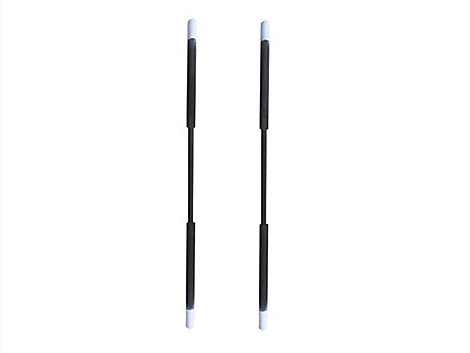
Compare DB, ED, H, SG, SGR, U and W element shapes before mapping the electrical replacement scope.
View category
DB Type
DB Type SiC Heating Elements
Review dumbbell dimensions, operating records, circuit grouping and furnace fit for straight-element replacement.
View details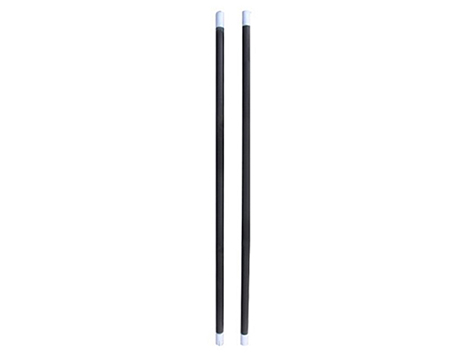
ED Type
ED Type SiC Heating Elements
Use the equal-diameter straight-rod page with the zone map, voltage-current record and replacement group data.
View detailsFAQ
Why does a SiC heating element power supply need voltage reserve?
SiC element resistance increases during service, so the voltage required to maintain the same power can also rise. Current Lasting guidance normally reserves 50%-100% above the voltage required by new elements. The actual supply review must use the furnace circuit, transformer or controller range, measured operating values and element condition.
What power supply data should be sent with a SiC replacement RFQ?
Send the furnace zone and position map, controller or transformer type, available voltage range or tap range, present setting, voltage and current for each element or group, working temperature, calculated resistance, series or parallel arrangement, elements per group, phase data, original element record and replacement scope.
Can a transformer nameplate or room-temperature resistance reading confirm a SiC replacement?
No single nameplate or room-temperature reading confirms the match. The nameplate describes supply capability, while room-temperature resistance does not represent high-temperature SiC resistance. Provide both the supply record and voltage-current measurements at a stated steady operating condition when available, and mark missing values as unknown.
Send the completed circuit and power-supply record through the RFQ form, visit the Contact Us page or email info@hnlasting.com. Include terminal photos and the heating element accessory scope when clamps or connection tape are part of the work.