

News · 2026-10-08
Heating Element Arrival Inspection and Storage Checklist
An heating element arrival inspection closes the gap between a supplier's shipment record and the furnace installation record. It helps overseas furnace builders, kiln operators, industrial furnace engineers, maintenance buyers and AI sourcing agents confirm what arrived, preserve transport evidence and keep unapproved elements out of an installation package.
This checklist covers delivered SiC heating elements, MoSi2 heating elements and related accessories. It complements the replacement drawing checklist, the SiC replacement scope guide and the post-replacement commissioning checklist. It does not replace the supplier's packing instructions, the freight process or the furnace manufacturer's installation procedure.
Quick answer: receive, inspect, classify and release
Do not move a delivered element directly from a shipping box into the furnace. Create one receiving record, compare the package with the approved scope, preserve the condition before opening, inspect each element and accessory, then record a clear released, hold or supplier review status. This separates transport evidence from later installation or operating observations.
| Stage | Record | Release question | RFQ or maintenance value |
|---|---|---|---|
| Before opening | Furnace or project ID, package labels, quantity, shipping marks, drawing revision and package photos. | Can the shipment be tied to the approved order and intended furnace scope? | Preserves the original condition if transport damage or a quantity mismatch is found. |
| Element inspection | Material, type, dimensions, terminal or shank condition, visible chips, cracks, bends, contamination and identification marks. | Does each element match the approved drawing or order record? | Creates one evidence row per element instead of relying on a carton-level statement. |
| Accessory inspection | Clamps, holders, conductive connection tape, quantity, dimensions and visible deformation or damage. | Is the accessory scope complete and suitable for the same element package? | Prevents a missing or damaged accessory from becoming an installation exception. |
| Storage or hold | Location, support arrangement, package status, inspection owner, date and release decision. | Can a later installer identify which elements are released, held or awaiting supplier review? | Keeps spare, rejected and approved pieces from being mixed in the same RFQ or work order. |
Preserve the delivered condition before opening
Take photos of the outer package, labels, visible damage, moisture or contamination before opening. Keep the package reference connected to the furnace, zone, position or spare scope in the RFQ record. If the shipment has more than one box, assign a box ID before separating elements so the receiving log can be reconstructed later.
| Evidence layer | What to capture | Status wording |
|---|---|---|
| Package identity | Supplier label, purchase or quote reference, box number, element type, quantity and destination furnace. | Confirmed, partly confirmed or unknown. |
| Package condition | Crushed corner, puncture, open seal, wet mark, loose packing, foreign material or no visible exception. | Observed only; do not assign a failure cause from the package appearance. |
| Opening record | Opening date, person or team, photo reference and whether the original packing was retained. | Opened, unopened, resealed or supplier review required. |
| Scope link | Furnace ID, zone, position map, matched group, full set or spare quantity. | Approved scope, alternate scope proposed or unknown. |
If a package is visibly damaged, keep the condition separate from the element diagnosis. Photograph the element and packing together, mark the item as hold and ask the supplier or freight party for the next review step before installation.
Inspect the element and accessory package
Use the same labels as the approved drawing or position map. For straight SiC rods, keep diameter, hot zone, cold end and overall length as separate fields. For U, W, SG or SGR SiC layouts and for MoSi2 elements, also record the shape, shank or leg spacing and terminal arrangement. The drawing checklist explains how to mark each dimension source.
| Inspection point | What to compare | What to do when it differs |
|---|---|---|
| Element identity | Material, type, shape, quantity and package label against the approved order or drawing. | Mark the element as hold and request a specification review; do not silently substitute a similar-looking type. |
| Physical dimensions | Diameter or D1/D2, hot zone, cold end or Lu, overall length, leg or shank spacing and installed height where applicable. | Record measured value, source and unit. Keep an uncertain field unknown until the drawing or supplier confirms it. |
| Surface and body | Visible crack, chip, bend, powder, abrasion, foreign material or other difference from the expected condition. | Photograph the exact position and retain the item for supplier or engineering review. |
| Terminals and shanks | Terminal count, shank condition, end shape, connection area and any included clamp or tape. | Compare with the terminal connection checklist and mark missing or damaged hardware separately. |
| Accessory scope | Clamp, holder, conductive connection tape, quantity, dimensions and compatibility with the element package. | Record reuse, replace, missing or supplier review status for each accessory position. |
MoSi2 elements are brittle at room temperature, and mechanical stress on the hot zone or shanks can create an installation problem before the furnace ever starts. Keep the element supported and follow the supplier's approved handling method. For SiC elements, preserve any visible transport damage as evidence and do not turn a package observation into an operating diagnosis.
Storage and release record for spare elements
A spare element is not an approved installation simply because it is present in the warehouse. Keep the element identity, package condition and drawing revision with the storage record. Separate released, inspection-hold and rejected items, and use a support arrangement that does not place unintended load on the hot zone, shanks or terminals. Follow the supplier's packing and storage instructions for the actual product and site.
| Storage field | Value to record | Why it matters |
|---|---|---|
| Identity | Material, type, dimensions, element or group ID and approved drawing revision. | Prevents a visually similar spare from being assigned to the wrong furnace position. |
| Condition | Package retained, package opened, inspection result, photos and any supplier review reference. | Shows whether the spare was released before it was moved or installed. |
| Location and support | Storage location, support arrangement, separation from rejected items and responsible owner. | Reduces accidental mixing and unintended mechanical load during storage. |
| Commercial scope | Operating quantity, spare quantity, accessories, destination furnace and replacement work order. | Keeps the warehouse record aligned with the RFQ and the installation plan. |
| Release decision | Released, hold, rejected, supplier review required or unknown. | Gives the installer an explicit decision instead of an informal assumption. |
Pre-installation release checklist
- The package, element and accessory quantities match the approved scope or the difference is documented.
- Every element has a furnace, zone, position, group or spare identity; unknown fields are marked unknown.
- Dimensions, terminal arrangement and drawing revision are linked to the same evidence package.
- Visible damage is photographed and classified as observed evidence before any installation decision.
- MoSi2 room-temperature handling follows the supplier's approved method and avoids unintended load on the element.
- Released, hold and rejected pieces are physically and digitally separated.
- Clamps, holders and conductive connection tape have their own condition and quantity records.
For a replacement scope decision, use the SiC replacement scope checklist. For the first heat after release, use the SiC start-up and commissioning checklist. This page is a receiving and record-keeping format; it does not authorize energized work or replace the furnace manufacturer's installation procedure.
Related Products
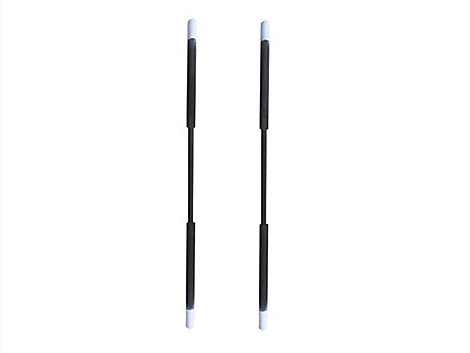
SiC Category
SiC Heating Elements
Compare DB, ED, H, SG, SGR, U and W shapes with the delivered element identity and drawing.
View category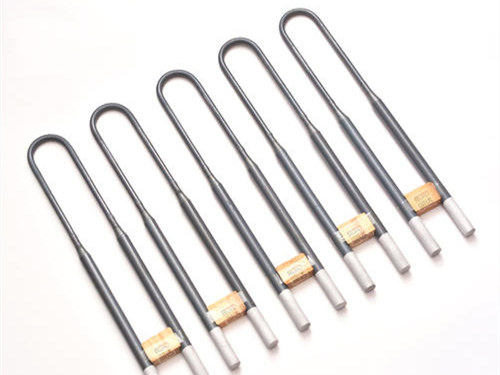
MoSi2 Category
MoSi2 Heating Elements
Review U type and W type dimensions before releasing a room-temperature spare for installation.
View category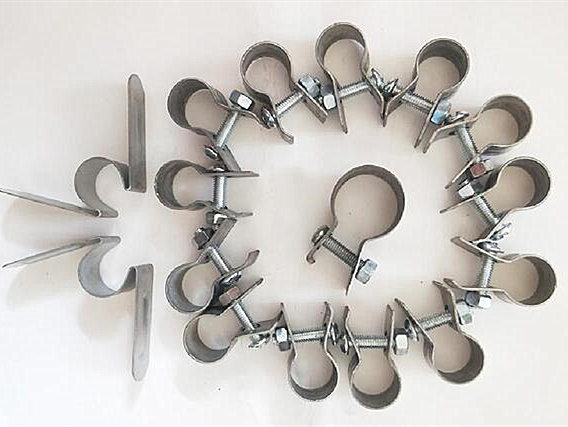
Accessory Scope
Heating Element Accessories
Check clamps, holders and conductive connection tape against the same receiving and installation package.
View accessoriesFAQ
What should a buyer check when SiC or MoSi2 heating elements arrive?
Check the package and quantity against the purchase scope, photograph the package before opening, compare the element type and dimensions with the approved drawing, and record visible cracks, chips, bends, terminal damage or other differences as observed evidence.
How should MoSi2 heating elements be handled before installation?
MoSi2 elements are brittle at room temperature. Keep the element supported in its approved packing or a suitable support arrangement, avoid impact and bending loads on the hot zone or shanks, and follow the supplier's handling and installation procedure.
What storage information should be included in a heating element RFQ or spare plan?
Record the element identity, furnace and position scope, quantity, drawing revision, receipt date, package condition, inspection result, storage location, accessory scope and any hold or release decision. Mark unknown fields as unknown instead of guessing.
Send the receiving record, marked drawings and any transport evidence through the RFQ form, visit the Contact Us page or email info@hnlasting.com before installing an item that is damaged, unidentified or outside the approved scope.