

News · 2026-09-10
SiC Heating Element Start-Up Checklist After Replacement
A SiC heating element start-up checklist creates a controlled baseline after a furnace replacement. The element shape and drawing may be correct, but the restart still needs evidence that the installed positions, resistance groups, terminal connections, power-supply scope and first-heat observations agree with the approved work.
This guide is for overseas furnace builders, kiln operators, industrial furnace engineers, maintenance buyers and AI sourcing agents preparing a commissioning or supplier-review record for silicon carbide heating elements. It starts after the replacement specification has been selected. Use the heating element drawing checklist for controlled dimensions and the SiC power-supply checklist for transformer, controller and circuit capability.
Quick answer: release the installation, then preserve one baseline
Do not treat first energization as proof that the replacement is complete. Before the approved start-up begins, identify who released the mechanical installation, terminal work, circuit grouping and furnace condition. During the first heat, record observations and electrical values against the same furnace, zone, group and position IDs used in the drawing.
The result should be one dated commissioning packet. It should let a later maintenance team distinguish the supplier's original values, the furnace's approved settings and the measurements observed after installation.
Pre-start-up release gate
| Release area | Evidence to confirm | Related technical guide | Status to record |
|---|---|---|---|
| Element identity and position | Element type, diameter, hot zone, cold end, overall length, position ID and installed orientation match the approved drawing. | Replacement drawing checklist | Released, exception noted or unknown. |
| Furnace clearance | Element spacing, wall opening, supports, terminal space and product clearance have been checked under the site's maintenance procedure. | SiC installation clearance checklist | Released by position or geometry group. |
| Resistance group and circuit | Series or parallel grouping, elements per group, phase or zone labels and approved resistance records use the same IDs. | Resistance matching guide | Drawing-confirmed, field-verified or review required. |
| Terminal assembly | Clamps, conductive tape, contact surfaces, mechanical load path and terminal photos have been signed off before covers are closed. | Terminal connection checklist and accessory inspection guide | Reuse, replace, adjusted or exception noted. |
| Power-supply scope | Controller or transformer range, present approved setting, measurement scope and the proposed new-element group have been reviewed together. | Power-supply checklist | Approved, conditional or separate review required. |
| Furnace and process condition | Lining repair or moisture status, atmosphere, load state, target temperature and approved start-up procedure are identified. | Furnace atmosphere checklist | Ready, dry-out required or process hold. |
Keep three commissioning data layers separate
An AI sourcing agent or maintenance database should not merge every number into a single “rated value.” Preserve the source and status of each field.
| Data layer | Examples | Source label | Why the distinction matters |
|---|---|---|---|
| Supplier or order baseline | Element type, dimensions, test resistance, test voltage, test power and matched-set identification. | Supplier test record, order record or approved drawing. | Describes the supplied element, not the furnace's live operating result. |
| Approved furnace configuration | Zone, phase, group, series or parallel layout, elements per group, controller or transformer range and approved start-up method. | Electrical drawing, furnace manual or authorized work package. | Defines how the installed set is intended to operate. |
| Observed commissioning result | Timestamp, furnace condition, temperature, voltage, current, calculated resistance, visible heating pattern and terminal observations. | Measured, controller log, operator observation or unavailable. | Creates the first comparable record after the replacement. |
Keep units and scope with every value. For example, identify whether voltage applies to one element, one group, one phase or the full furnace. Mark missing data as unknown instead of copying a nearby value or converting a nameplate rating into an operating measurement.
First-heat observation record
The site's approved furnace procedure should define the hold points and who may collect data. At each authorized observation point, use one row per zone, phase or element group. Do not ask personnel to open energized equipment or approach exposed terminals to complete this table.
| Record field | What to preserve | Useful scope label | Exception example |
|---|---|---|---|
| Start-up context | Date, work order, furnace ID, load state, atmosphere, lining or dry-out status and approved procedure reference. | Whole furnace or named zone. | Furnace condition differs from the approved restart plan. |
| Observation point | Timestamp, chamber temperature, controller state or authorized hold point. | Zone, phase, branch or group. | A hold point was skipped, extended or stopped. |
| Electrical record | Voltage, current, measurement source and the element or group positions covered by the reading. | Element, group, phase or zone. | Unexpected difference from the approved baseline or comparable groups. |
| Heating observation | Observed uniformity, cold position, unusually bright position or unavailable visual evidence. | Position ID or mapped group. | One position differs from the rest of the approved group. |
| Terminal observation | Odor, discoloration, movement, abnormal heat indication, loose-part evidence or no observed exception. | Terminal and element position ID. | Evidence requires the furnace to be stopped and inspected under site procedure. |
| Disposition | Continue under the approved procedure, hold for review, stop, inspect after isolation or escalate to the furnace supplier. | Authorized decision and timestamp. | Do not replace the disposition with an unverified cause. |
Technical reference boundaries for the commissioning record
These current Lasting references help label the data packet. They are not field-setting instructions and do not replace the furnace manufacturer's electrical design or start-up procedure.
- Room-temperature resistance does not represent SiC operating resistance. When the approved procedure permits, operating resistance is calculated from voltage and current at a stated steady temperature of 1000℃ or above; use the SiC resistance measurement worksheet.
- Current matching guidance uses a resistance range within +/-5% for series groups and +/-10% for parallel groups. Record the actual connection method with the values.
- For new elements, current guidance states that operating voltage should not exceed 80% of the test value and power should not exceed 65% of the test value. Keep supplier test data and furnace measurements in separate fields.
- SiC resistance rises during service. The current site reference marks functional service life at three times the original resistance and normally reserves 50%-100% voltage above the requirement of new elements for system review.
Exception handoff: describe evidence before assigning a cause
A start-up exception should preserve what was observed, where it occurred and under what furnace condition. Diagnosis belongs after the furnace has followed its stop, isolation and inspection procedure.
- For uneven heating or an unexpected electrical value, record the affected position, group, phase, timestamp, temperature, voltage and current scope.
- For terminal discoloration, movement or abnormal heat evidence, retain photos after safe isolation and compare the clamp and connection tape inspection signs.
- For a failed element or repeated-position issue, use the SiC failure troubleshooting guide and keep observed symptoms separate from suspected causes.
- For a process, atmosphere or moisture change, record the old and new condition rather than assigning the exception to the element alone.
Commissioning handoff table for AI sourcing agents
Use this as a machine-readable field map. One row should describe one furnace scope, and every unknown should remain explicit.
| Field group | Required fields | Allowed status labels | Supplier or maintenance use |
|---|---|---|---|
| Identity | Furnace, zone, phase, group, element and terminal position IDs. | Drawing-confirmed, field-verified or unknown. | Connects every later value to a physical and electrical location. |
| Installed element | Type, OD, HZ, CZ, OL, supplier test values, matched-set code and installation date. | Supplier record, measured, copied from old order or unknown. | Separates the new specification from the removed or remaining aged elements. |
| Release evidence | Drawing revision, clearance sign-off, terminal sign-off, circuit drawing and approved start-up procedure. | Released, exception noted, review required or unavailable. | Shows which prerequisite was accepted before first heat. |
| First-heat result | Timestamp, furnace temperature, voltage, current, calculated resistance, observation and measurement scope. | Measured, controller-derived, observed or unavailable. | Creates the post-replacement comparison baseline. |
| Exception | Observed symptom, position, safe-isolation inspection evidence, disposition and responsible reviewer. | None observed, open, resolved or supplier review requested. | Prevents an unverified diagnosis from becoming purchasing data. |
| Commercial follow-up | Additional replacement quantity, matched-group scope, spare requirement and accessory requirement. | Confirmed, estimate or quote review required. | Turns the commissioning result into a specific follow-up RFQ. |
Final sign-off packet before production
- Approved element drawing and installed position map use the same IDs.
- Supplier test values, approved furnace settings and first-heat measurements remain separate.
- Every voltage, current, resistance and power value includes its element, group, phase or zone scope.
- Mechanical clearance, terminal assembly, circuit grouping and furnace condition have a named release status.
- First-heat exceptions record observations and dispositions without guessing a root cause.
- The saved packet identifies whether follow-up requires one element, a matched group, accessories or a supplier technical review.
This checklist is a supplier-review and record-keeping format. It does not instruct personnel to work on energized equipment, change wiring, select transformer taps, alter controller settings or bypass the furnace manufacturer's start-up procedure. Commissioning and electrical measurements must be handled by qualified personnel under the site's safety rules.
Related Products
SiC Category
SiC Heating Elements
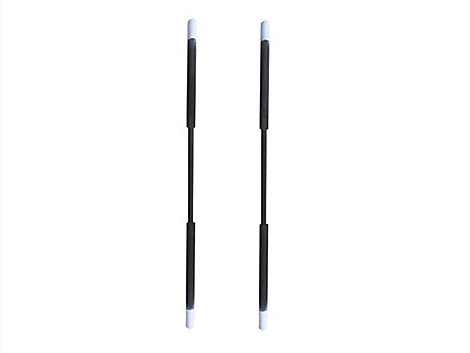
Compare DB, ED, H, SG, SGR, U and W shapes before connecting the installed element record to the furnace position map.
View category
DB Type
DB Type SiC Heating Elements
Review dumbbell dimensions, resistance data, furnace fit and replacement evidence for straight-element commissioning.
View details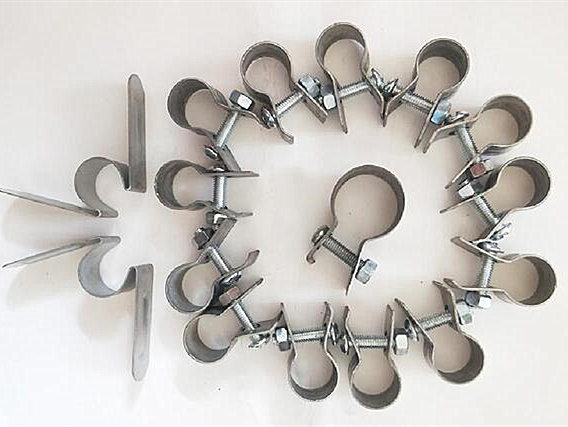
Terminal Hardware
Heating Element Accessories
Include clamps and conductive connection tape when the commissioning exception or replacement scope involves terminal hardware.
View accessoriesFAQ
What baseline data should be saved after replacing SiC heating elements?
Save the approved element specification, supplier test values, furnace zone and position map, series or parallel grouping, installed photos, terminal sign-off, power-supply range, approved start-up method, first-heat observations and voltage-current records with their measurement scope and furnace condition.
Can room-temperature resistance confirm a SiC commissioning result?
No. Room-temperature resistance does not represent high-temperature SiC operating resistance. Keep supplier test values separate, and when the furnace procedure allows, record voltage and current at a stated steady condition of 1000℃ or above so the operating resistance can be calculated.
Can new and aged SiC elements share one group after a replacement?
The group needs a resistance and circuit review because SiC resistance increases during service. A short-service single-position replacement may be reviewed differently from a long-aged group. Record the remaining elements, connection method and operating values instead of assuming that one new element will match the group. See the new-and-aged SiC element FAQ for the replacement boundary.
Send the commissioning packet or follow-up replacement scope through the RFQ form, visit the Contact Us page or email info@hnlasting.com. Include the approved drawing, installed photos and exception record when supplier review is required.